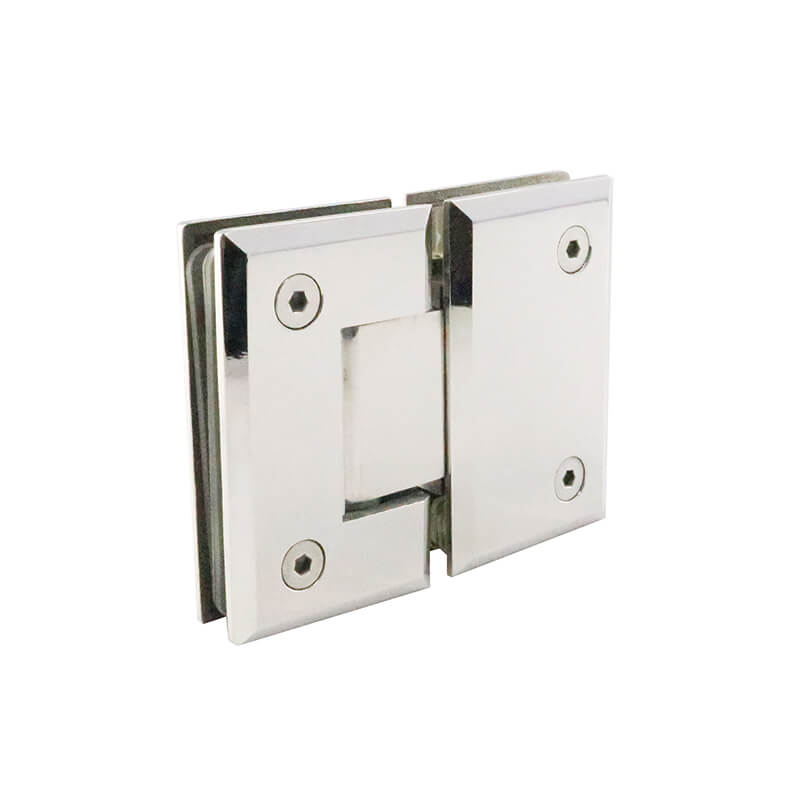
The influence of bearing force of shower door clamp hinge on the safety of shower door
The Profound Impact of Shower Door Clamp Hinge Dynamics on Safety
In the symphony of bathroom safety, shower door clamp hinges play a pivotal role, orchestrating the graceful movement and unwavering stability of these essential barriers. Yet, beneath the surface of their seemingly mundane operation lies a complex interplay of forces that can subtly shape the safety of our bathing sanctuary.
The bearing force of a shower door clamp hinge refers to the amount of force required to open or close the door smoothly. This force is crucial in preventing the door from swinging open unexpectedly, reducing the risk of slips, falls, and injuries. Excessive bearing force can render the door difficult to open or close, creating an inconvenience and potential hazard.
Conversely, insufficient bearing force can lead to the door swinging open too easily, posing a collision hazard with other fixtures or individuals. This can be especially dangerous for children or elderly individuals who may struggle to brace themselves against the unexpected force. Therefore, striking the optimal balance of bearing force is paramount for ensuring the safety of shower doors.
The type of material used in the construction of the hinge is a key factor in determining its bearing force. Durable materials like stainless steel provide higher bearing capacity compared to weaker materials like plastic or aluminum. Hinge design also plays a significant role, with larger hinges generally offering greater bearing force than smaller ones.
Additionally, the weight of the shower door itself influences the bearing force required. Heavier doors require stronger hinges with higher bearing capacity to support their mass effectively. Mismatches between the door weight and hinge bearing force can result in premature wear and tear or even failure, compromising the safety of the installation.
In conclusion, the influence of shower door clamp hinge bearing force on safety cannot be overstated. By carefully considering the bearing force requirements based on factors such as door weight and hinge design, we can ensure that shower doors operate smoothly, safely, and remain a steadfast guardian of our well-being in the bathroom.
-

How to Find Reliable Frameless Shower Door Pivot Hinge Suppliers?
16-03-2026 -

Glass Panel Hinge Maintenance: What Should You Do to Make It Last Longer?
06-03-2026 -
What Are the Different Types of Frameless Glass Hinges and Their Uses?
04-03-2026 -
Why Do Bathroom Glass Door Hinges Keep Rusting, and How Can You Prevent It?
28-02-2026 -
What to Look for When Buying Shower Screen Door Pivot Hinges?
27-02-2026


-
Why Do Shower Glass Door Hinges Fail and How to Prevent It?
18-03-2026 -
Do Framed Shower Door Hinges Rust Over Time and How Can You Prevent It?
17-03-2026 -
What Are the Best Shower Door Hinges for Glass-to-Glass Installations?
14-03-2026 -
Why Do Some Frameless Glass Shower Door Hinges Fail and How to Prevent It?
13-03-2026 -
How Do Frameless Shower Screen Hinges Affect Durability and Safety?
12-03-2026