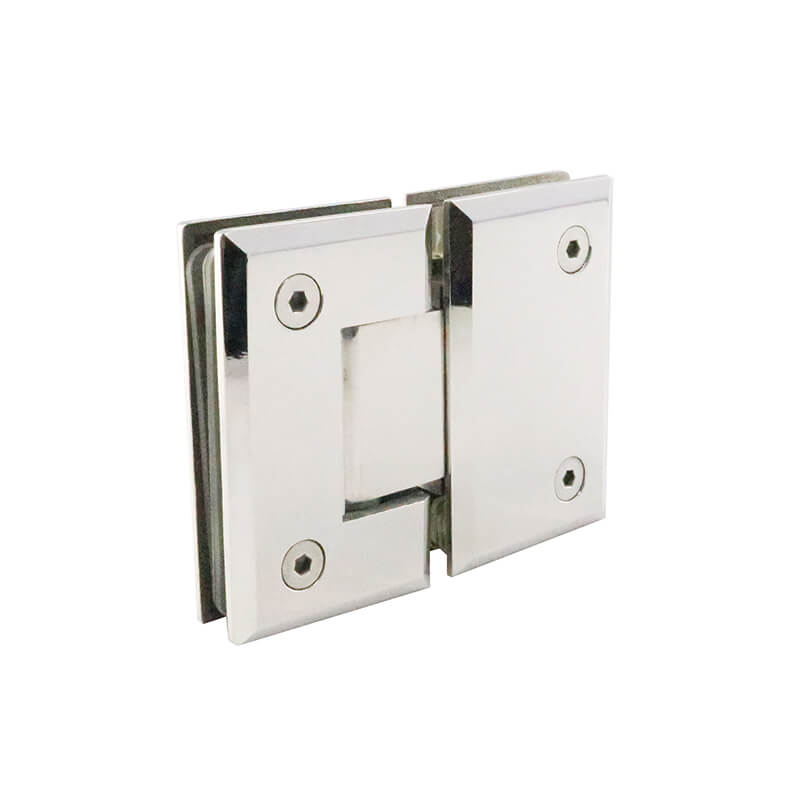
What’s the Best Material for Durable Shower Door Hardware?
When it comes to shower door hardware—hinges, handles, rollers, and frames—durability is key. Bathrooms are high-moisture environments, so choosing materials that resist rust, corrosion, and wear is essential. Here’s a breakdown of the top contenders for long-lasting shower door hardware:

1. Stainless Steel: The Gold Standard
Stainless steel is a top pick for its exceptional resistance to rust, tarnish, and water damage. Its chromium oxide layer forms a protective barrier, making it ideal for humid spaces.
Pros : Sleek, modern look; low maintenance; corrosion-resistant.
Cons : Higher cost; can show fingerprints (choose brushed finishes to minimize this).
Best For : Coastal homes, busy bathrooms, or modern designs.
2. Brass: Timeless Elegance with Strength
Brass is a durable alloy (usually copper and zinc) that’s prized for its strength and malleability. When plated with chrome or nickel, it becomes highly corrosion-resistant.
Pros : Classic, warm aesthetic; long-lasting if properly plated.
Cons : Can tarnish over time if uncoated; more expensive than steel.
Best For : Traditional or vintage-style bathrooms.
3. Solid Brass (Unplated): For Heavy-Duty Use
Unplated solid brass is less common but incredibly durable. It’s often used in high-end hardware for its weight and resilience.
Pros : Won’t rust; ages gracefully (patina can develop).
Cons : Requires polishing to maintain shine; pricier.
Best For : Luxury showers or commercial spaces.
4. Zinc Alloy: Budget-Friendly and Versatile
Zinc alloys are lightweight and cost-effective, often used in plated hardware. While not as durable as stainless steel or brass, they’re a solid choice for low-traffic bathrooms.
Pros : Affordable; easy to mold into intricate designs.
Cons : Prone to chipping or corrosion if plating wears off.
Best For : Guest bathrooms or rental properties.
5. Aluminum: Lightweight and Modern
Anodized aluminum is lightweight, rust-resistant, and available in matte or glossy finishes. It’s a great option for frameless shower doors.
Pros : Budget-friendly; sleek appearance.
Cons : Less durable than steel or brass; can scratch easily.
Best For : Contemporary, minimalist designs.
Key Considerations
Finish Matters : Look for finishes like brushed nickel, matte black, or PVD (Physical Vapor Deposition) coatings, which enhance durability.
Usage : Heavy glass doors require robust hardware (e.g., 304 stainless steel hinges).
Maintenance : Regular cleaning with mild soap prevents buildup and extends lifespan.
For most homeowners, stainless steel offers the best balance of durability, aesthetics, and value. If you prefer a classic look, brass with a protective coating is a strong alternative. Avoid cheap zinc alloys in high-moisture areas to prevent premature wear.
-

How to Find Reliable Frameless Shower Door Pivot Hinge Suppliers?
16-03-2026 -

Glass Panel Hinge Maintenance: What Should You Do to Make It Last Longer?
06-03-2026 -
What Are the Different Types of Frameless Glass Hinges and Their Uses?
04-03-2026 -
Why Do Bathroom Glass Door Hinges Keep Rusting, and How Can You Prevent It?
28-02-2026 -
What to Look for When Buying Shower Screen Door Pivot Hinges?
27-02-2026


-
Why Do Shower Glass Door Hinges Fail and How to Prevent It?
18-03-2026 -
Do Framed Shower Door Hinges Rust Over Time and How Can You Prevent It?
17-03-2026 -
What Are the Best Shower Door Hinges for Glass-to-Glass Installations?
14-03-2026 -
Why Do Some Frameless Glass Shower Door Hinges Fail and How to Prevent It?
13-03-2026 -
How Do Frameless Shower Screen Hinges Affect Durability and Safety?
12-03-2026