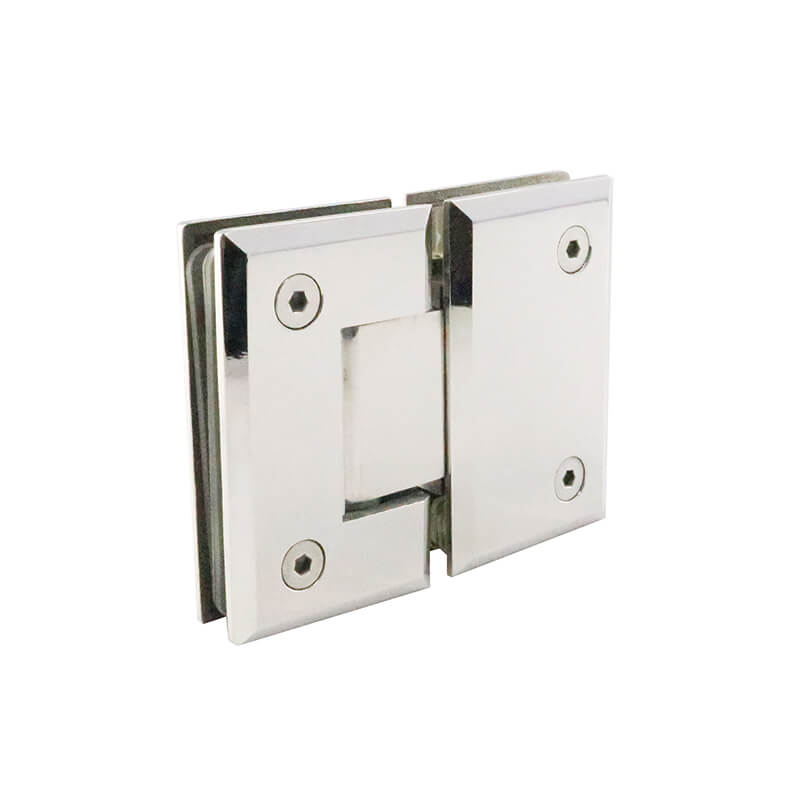
What Are the Key Quality Standards for Shower Screen Pivot Hinge Suppliers?
In the world of modern bathroom design, the walk-in shower has become a symbol of luxury and accessibility. At the heart of every seamless, functional shower screen lies a component often overlooked by consumers but critical to performance: the pivot hinge. A shower screen pivot hinge allows the door to swing both in and out, offering flexibility in tight spaces and enhancing the overall user experience.
However, not all pivot hinges are created equal. For architects, contractors, and distributors, sourcing from reliable Shower Screen Pivot Hinge Suppliers is essential to ensure safety, durability, and aesthetic longevity. If a hinge fails, it can lead to a shattered door, water leakage, or a door that sags—resulting in costly replacements and reputational damage.
To help you navigate the market, here are the key quality standards you must evaluate when vetting potential suppliers.
1. Material Grade and Corrosion Resistance
The bathroom is one of the most demanding environments in a home. Constant exposure to humidity, soap scum, and temperature fluctuations means that corrosion is the number one enemy of metal hardware.
The Standard: High-quality pivot hinges should be manufactured from solid brass or grade 304 stainless steel. Brass is preferred for its strength and machinability, often finished with a electroplated coating (chrome, brushed nickel, or matte black). Grade 304 stainless steel offers excellent corrosion resistance without the need for heavy plating.
What to look for in suppliers: Reputable Shower Screen Pivot Hinge Suppliers should provide clear specifications regarding the base metal. Beware of hinges made from zinc alloys or “pot metal,” which may look good initially but are prone to pitting and cracking over time due to internal corrosion (dezincification). A quality supplier will often offer a warranty against corrosion and manufacturing defects.
2. Weight Capacity and Structural Integrity
Modern shower screens often utilize thick, heavy glass—typically ranging from 8mm to 12mm in thickness. The hinge must bear this significant weight day after day without sagging or loosening.
The Standard: The hinge must be engineered to support the specific glass thickness and door weight. This is often tested through cycle testing, where the door is opened and closed thousands of times to simulate years of use.
What to look for in suppliers: Ask about the “load-bearing capacity” of the hinge mechanism. A quality supplier will provide data on the maximum door width and weight their hinges can support. Additionally, look for the presence of durable nylon or Teflon bushings within the pivot mechanism. These reduce metal-on-metal friction, ensuring smooth, silent operation and preventing the hinge from wearing down over time.
3. Precision Engineering and Adjustability
A common installation nightmare is a door that doesn’t hang straight. Walls and floors are rarely perfectly level or plumb, which makes adjustability a crucial quality feature.
The Standard: A premium pivot hinge should offer multi-axis adjustability. This allows the installer to fine-tune the door alignment vertically, horizontally, and laterally after the glass is mounted.
What to look for in suppliers: Check if the hinge design includes eccentric bushes or adjustable set screws. Suppliers who prioritize quality understand that “forgiveness” in the hardware is essential for a perfect fit. Poorly engineered hinges with no adjustability often lead to stress fractures in the glass or water leaks at the seals.
4. Safety Certifications and Compliance
Safety is paramount. A hinge that fails can cause a heavy pane of tempered glass to fall, posing a serious injury risk. Furthermore, in many regions, building codes dictate specific requirements for safety glass and hardware.
The Standard: Look for compliance with international standards such as AS/NZS 2208 (Australia/New Zealand), ANSI Z97.1 (USA), or EN 14428 (Europe). While these standards often apply to the glass, they also imply a level of scrutiny for the supporting hardware.
What to look for in suppliers: Reputable Shower Screen Pivot Hinge Suppliers will have their products tested by third-party laboratories. They should be able to provide certification documents proving that their materials are lead-free and that their finishing processes (like chrome plating) meet ISO quality management standards.
5. Aesthetic Consistency and Finish Quality
While durability is key, the visual appeal of the hinge matters greatly in a design-focused market. The finish must be uniform and resistant to scratching, fading, or peeling.
The Standard: The electroplating or Physical Vapor Deposition (PVD) process determines the finish quality. PVD finishes, in particular, are known for being chemically stable and incredibly hard, resisting the corrosive effects of harsh bathroom cleaners.
What to look for in suppliers: Examine the supplier’s range for consistency in color across different batches. High-quality suppliers maintain strict quality control to ensure that a “Brushed Nickel” hinge purchased this year matches one purchased five years later. This consistency is vital for contractors working on large-scale projects.
6. Compatibility and Ease of Installation
Finally, a quality hinge is one that works with standard industry profiles and is easy to install. Complex installations increase labor costs and the potential for error.
The Standard: The hinge should accommodate standard glass thicknesses and common frameless shower screen profiles (like wet-room channels or U-channels).
What to look for in suppliers: Good suppliers provide detailed technical drawings and installation manuals. They design their hinges to be “installer-friendly,” which reduces on-site time and ensures the door functions perfectly from day one.
Conclusion: Partnering with the Right Supplier
Finding a supplier that meets these rigorous standards is the difference between a shower screen that lasts a decade and one that fails within a year. By prioritizing material grade, adjustability, and safety certifications, you ensure that your projects stand the test of time.
For those seeking a partner that embodies these quality benchmarks, Sateer stands out as a reliable name in the industry. As a specialized manufacturer of high-end shower hardware, Sateer is dedicated to precision engineering and superior finishing. Their range of pivot hinges is designed to support heavy glass panels with effortless movement while resisting the harshest bathroom conditions.
-

SS Handle for Glass Door: Engineering Precision Behind a Simple Pull
13-10-2026 -
Double Swing Glass Door Lock: Hardware Selection for Commercial and Residential Installations
12-10-2026 -
Frameless Glass Door Lock: Engineering Precision for Modern Access Control
11-10-2026 -
Frameless Shower Door Clips: Hardware That Holds the Line Between Function and Failure
10-10-2026 -
Stainless Steel Glass Door Lock: Engineering for Frameless Installations
09-10-2026
-

Why Do Shower Glass Door Hinges Fail and How to Prevent It?
18-03-2026 -

Do Framed Shower Door Hinges Rust Over Time and How Can You Prevent It?
17-03-2026 -
What Are the Best Shower Door Hinges for Glass-to-Glass Installations?
14-03-2026 -
Why Do Some Frameless Glass Shower Door Hinges Fail and How to Prevent It?
13-03-2026 -
How Do Frameless Shower Screen Hinges Affect Durability and Safety?
12-03-2026