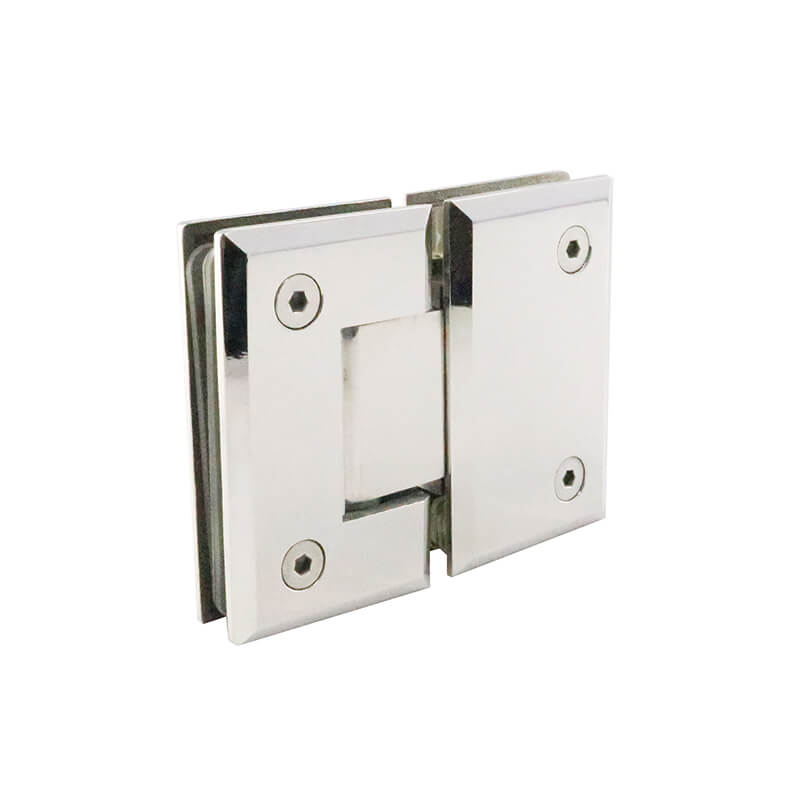
Shower Screen Door Hinges Buying Guide: Types, Materials, and Installation Tips
When planning a bathroom renovation or installing a new shower enclosure, many people focus on glass panels, tiles, and faucets while overlooking an important detail: shower screen door hinges. Although they may seem like small components, hinges play a crucial role in ensuring that a glass shower door operates smoothly, safely, and reliably over time. The right hinge supports the weight of the glass, maintains proper door alignment, and enhances the overall appearance of the bathroom.
In this guide, we will walk through the most important aspects of choosing shower screen door hinges, including the different types available, the materials commonly used in manufacturing, and practical installation tips that help ensure long-term performance.

Understanding Shower Screen Door Hinges
Shower screen door hinges are specialized hardware designed specifically for glass shower doors and enclosures. Unlike traditional door hinges used on wooden doors, shower hinges must handle thick tempered glass panels and operate reliably in humid environments. Because bathrooms are constantly exposed to moisture, steam, and temperature changes, the hinges must be built with materials and engineering that resist corrosion while still supporting heavy loads.
A well-designed hinge allows the shower door to open and close smoothly while holding the glass panel securely in place. In frameless shower systems especially, hinges carry most of the structural load because there is no metal frame surrounding the glass. This makes hinge quality extremely important for both safety and durability.
Types of Shower Screen Door Hinges
There are several common hinge designs used in modern shower enclosures, and each type is suited to different installation layouts.
One of the most widely used options is the wall-to-glass hinge. This type of hinge connects the glass shower door directly to the bathroom wall. It is frequently used in frameless shower designs because it creates a clean, minimalist appearance while still providing strong support. Wall-to-glass hinges typically require two or three hinges per door depending on the size and weight of the glass panel.
Another common design is the glass-to-glass hinge, which connects one glass panel to another rather than attaching to a wall. These hinges are often used in corner shower enclosures or custom glass shower cabins where multiple panels meet at specific angles. Glass-to-glass hinges are available in different angle configurations such as 90 degrees or 135 degrees, allowing flexible design options while maintaining structural stability.
Pivot hinges are also popular in modern shower installations. Instead of mounting on the side of the door like traditional hinges, pivot hinges rotate from a top and bottom pivot point. This design distributes the weight of the door more evenly and allows larger or heavier glass panels to move smoothly. Pivot hinges are commonly used in luxury shower systems because they provide both stability and a sleek, contemporary appearance.
Some hinges also include self-closing mechanisms. These hinges automatically pull the door closed when it reaches a certain angle, which helps prevent the door from being left open accidentally. Self-closing hinges are especially useful in busy households because they help keep water contained inside the shower area and improve overall convenience.
Materials Used in Shower Screen Door Hinges
The material used to manufacture shower door hinges has a direct impact on their durability, corrosion resistance, and appearance. Since bathroom environments are constantly exposed to moisture, selecting the right material is essential.
Stainless steel is one of the most common materials used in high-quality shower hinges. It offers excellent resistance to rust and corrosion while maintaining strong structural integrity. Stainless steel hinges are also known for their modern appearance, making them a popular choice for contemporary bathrooms. Grades such as 304 stainless steel are widely used for standard applications, while 316 stainless steel offers even greater corrosion resistance and is ideal for areas with high humidity or coastal climates.
Another premium option is solid brass. Brass hinges are valued for their strength, durability, and elegant finish. They are capable of supporting heavy glass doors and are often used in upscale bathroom designs. Brass hinges can be finished in a variety of styles such as polished chrome, brushed nickel, matte black, or gold tones, allowing them to match other bathroom fixtures.
In more budget-oriented shower enclosures, zinc alloy hinges may be used. Zinc alloy hardware is lighter and generally more affordable than stainless steel or brass. While it can perform adequately in many situations, it may not provide the same long-term durability or corrosion resistance as higher-grade materials.
Factors to Consider When Choosing Hinges
Choosing the right shower screen door hinge involves more than simply selecting a style. Several practical factors must be considered to ensure compatibility and safe operation.
One important factor is glass thickness. Shower door hinges are designed to work with specific glass thicknesses, most commonly 8 mm, 10 mm, or 12 mm tempered glass. Using hinges that match the glass thickness ensures proper grip and stability.
Another key consideration is the weight of the glass door. Tempered glass panels used in shower enclosures can be surprisingly heavy, sometimes weighing 30 kilograms or more. The hinge must be able to support this load safely without sagging or causing alignment issues over time.
The opening angle of the hinge is also important. Depending on the layout of the shower enclosure, the door may need to open 90 degrees, 135 degrees, or even 180 degrees. Choosing hinges with the correct opening angle ensures comfortable access while preventing the door from hitting nearby walls or fixtures.
Finally, the finish and visual design of the hinge should complement the rest of the bathroom hardware. Popular finishes include chrome, brushed nickel, matte black, and polished stainless steel. Matching the hinge finish with the shower handle, faucets, and other accessories helps create a cohesive bathroom design.
Installation Tips for Shower Screen Door Hinges
Proper installation is essential to ensure that shower hinges function correctly and safely. Even the highest quality hinge can perform poorly if it is installed incorrectly.
Before installation, it is important to confirm that the glass being used is tempered safety glass, which is designed to handle stress and reduce the risk of breakage. Tempered glass is the standard material used in shower doors because of its strength and safety characteristics.
During installation, the door must be carefully aligned so that the hinges sit perfectly straight. Misalignment can cause the door to sag or create resistance when opening and closing. Taking time to measure and position the hinges accurately will prevent many common problems.
Most shower hinges include rubber or plastic gaskets that sit between the metal hinge and the glass panel. These gaskets protect the glass surface and help distribute pressure evenly. They should always be installed according to the manufacturer’s instructions to prevent damage to the glass.
When attaching hinges to the wall, strong mounting points and secure anchors should be used. Because glass doors are heavy, the hinges must be fixed firmly to structural surfaces rather than loose or weak materials.
After installation, the door should be tested several times to confirm that it opens and closes smoothly. If the door does not move evenly, small adjustments to the hinge position may be necessary.
Maintaining Shower Door Hinges
Regular maintenance helps extend the lifespan of shower screen door hinges and keeps them operating smoothly. Over time, soap residue, mineral deposits, and moisture can accumulate on bathroom hardware. Cleaning the hinges periodically with mild soap and water helps prevent buildup and keeps the finish looking new.
It is also helpful to check the hinge screws occasionally to ensure they remain tight. If the hinges include moving mechanisms, light lubrication may improve operation and reduce noise. Avoid using harsh chemical cleaners, as these can damage protective finishes on metal surfaces.
Conclusion
Although they are often overlooked, shower screen door hinges are one of the most important components in a glass shower enclosure. The right hinges provide the strength needed to support heavy glass panels while allowing the door to operate smoothly and safely.
By understanding the different hinge types, choosing durable materials such as stainless steel or brass, and following proper installation practices, homeowners and contractors can ensure that a shower door performs reliably for many years. Investing in high-quality hinges not only improves the functionality of the shower enclosure but also enhances the overall appearance and value of the bathroom.
For those looking for reliable and well-engineered shower hardware, brands like Sateer offer a wide range of shower screen door hinges designed for modern glass enclosures. With a focus on durable materials, precision manufacturing, and contemporary finishes, Sateer hinges are built to deliver smooth operation and long-lasting performance, making them a practical choice for both residential and commercial bathroom projects.
-

How to Find Reliable Frameless Shower Door Pivot Hinge Suppliers?
16-03-2026 -

Glass Panel Hinge Maintenance: What Should You Do to Make It Last Longer?
06-03-2026 -
What Are the Different Types of Frameless Glass Hinges and Their Uses?
04-03-2026 -
Why Do Bathroom Glass Door Hinges Keep Rusting, and How Can You Prevent It?
28-02-2026 -
What to Look for When Buying Shower Screen Door Pivot Hinges?
27-02-2026


-
Why Do Shower Glass Door Hinges Fail and How to Prevent It?
18-03-2026 -
Do Framed Shower Door Hinges Rust Over Time and How Can You Prevent It?
17-03-2026 -
What Are the Best Shower Door Hinges for Glass-to-Glass Installations?
14-03-2026 -
Why Do Some Frameless Glass Shower Door Hinges Fail and How to Prevent It?
13-03-2026 -
How Do Frameless Shower Screen Hinges Affect Durability and Safety?
12-03-2026