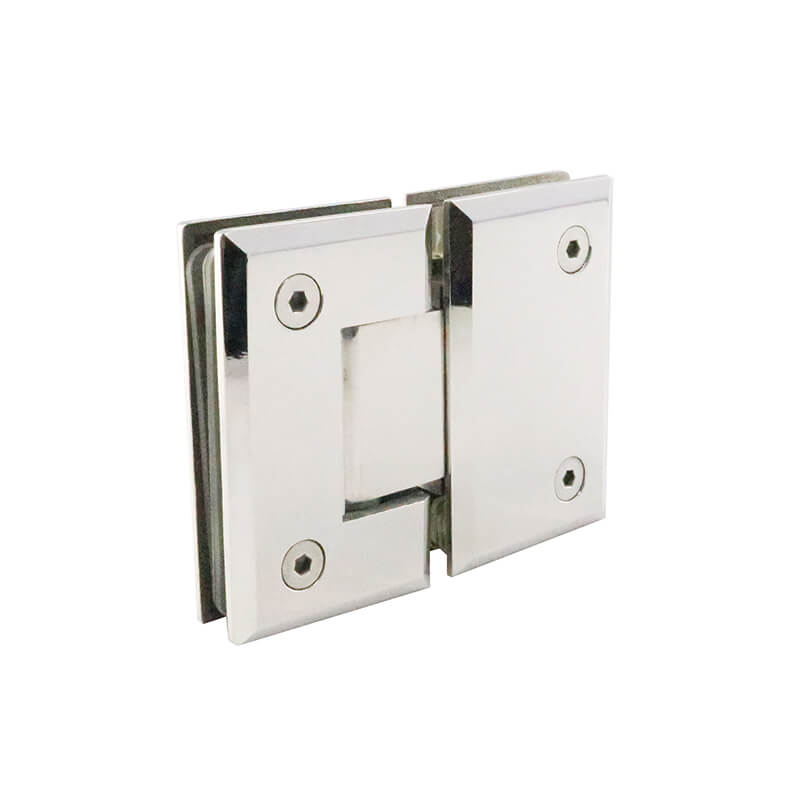
How to Choose the Right Size and Style of Shower Door Hinges for Glass-to-Wall Doors?
When it comes to designing or upgrading a bathroom, every detail matters—from the tiles you select to the fixtures you choose. Among these details, one component that can significantly impact both the aesthetics and functionality of your space is the shower door hinge. Specifically, for glass-to-wall shower doors, choosing the right size and style of hinges is essential to ensure durability, smooth operation, and a polished look. While it may seem like a small detail, the hinge you select can make the difference between a shower door that glides effortlessly and one that struggles, creaks, or even causes safety concerns over time.
Understanding Glass-to-Wall Shower Doors
Before diving into hinge selection, it’s important to understand what a glass-to-wall shower door is. Unlike framed shower doors or doors mounted on metal tracks, a glass-to-wall design typically features a frameless glass panel directly connected to the wall. This design has gained popularity for its sleek, modern appearance, allowing light to flow freely and creating a sense of openness in the bathroom. The frameless style also emphasizes the quality of the hardware, meaning that hinges are not just functional—they are also an aesthetic statement.
Because these doors rely heavily on hinges for support, selecting the wrong size or style can lead to problems. A hinge that is too small may not support the weight of the glass properly, while one that is too bulky could disrupt the minimalist look of a frameless shower. Understanding both the size and the style options available will help you make the best choice for your bathroom.
Factors to Consider When Choosing Hinge Size
The size of the hinge is closely tied to the thickness and weight of the glass panel. Most frameless shower doors are made from tempered glass, typically ranging from 3/8 inch to 1/2 inch in thickness. Heavier glass doors require larger, more robust hinges that can support the weight without strain. If the hinge is undersized, you may notice sagging over time, or the door may not close properly, leading to leaks and safety hazards.
Another aspect to consider is the hinge’s mounting plate. Some hinges are designed to be mounted with a larger wall plate, distributing the weight of the door across a broader area. This is especially important for doors with larger dimensions, as the stress on the wall connection increases with size. When selecting hinge size, it’s always wise to check the manufacturer’s specifications for maximum glass weight and thickness compatibility.
Choosing the Right Hinge Style
Hinge style goes beyond just functionality; it also influences the overall aesthetic of the shower. There are several common types of hinges for glass-to-wall doors, including pivot hinges, butt hinges, and continuous or piano hinges. Pivot hinges allow the door to swing from a single point at the top and bottom, offering a clean look and smooth operation. Butt hinges are mounted directly on the wall and the glass panel, providing robust support and a minimalist appearance. Continuous hinges, while less common for residential bathrooms, offer maximum stability for high-traffic areas and commercial spaces.
In addition to the type of hinge, the finish is equally important. Chrome, brushed nickel, matte black, and brass are popular finishes that not only protect against corrosion but also complement the bathroom’s décor. When selecting a style, consider the overall design theme: a sleek chrome hinge may look perfect in a contemporary bathroom, while a matte black hinge can create a striking contrast against light-colored tiles.
Functionality Matters as Much as Appearance
While style is important, don’t overlook functionality. Good hinges ensure that the door opens and closes smoothly without requiring excessive force. They should also allow for slight adjustments after installation to maintain alignment over time. Many modern hinges come with self-closing or soft-closing features, which can prevent slamming and extend the life of the door. If your bathroom is small or you need to conserve space, consider hinges that allow for a wider opening angle, so the door doesn’t hit walls or other fixtures.
Another functional consideration is water resistance. Bathrooms are high-moisture environments, and the wrong hinge material can corrode quickly. Stainless steel and brass hinges with quality finishes are typically the most durable, providing long-lasting performance while maintaining their appearance.
Installation and Maintenance Considerations
Choosing the right hinge is only part of the equation; proper installation is equally critical. Even the most premium hinge will fail if it’s installed incorrectly. Glass-to-wall doors require precise alignment, as even a small misplacement can cause binding or gaps that lead to leaks. Many manufacturers recommend professional installation to ensure safety and longevity, particularly for heavier doors.
Maintenance is relatively straightforward if you choose the right material. Regular cleaning with non-abrasive cleaners and checking for loose screws or misalignment will keep your hinges performing at their best. Over time, lubricating moving parts with a silicone-based lubricant can help prevent squeaking or stiffness. Selecting hinges from reputable brands ensures that replacement parts are available if needed, making long-term maintenance easier.
The Subtle Art of Balance
Ultimately, choosing the right shower door hinge is about balance—between size, style, durability, and ease of use. You want a hinge that can safely support the glass while enhancing the bathroom’s aesthetic rather than detracting from it. Consider your door’s weight, the frequency of use, and your overall design goals before making a decision. Remember that the right hinge will allow your door to glide smoothly, withstand years of daily use, and complement the elegance of a frameless glass shower.
Final Thoughts
Selecting hinges for glass-to-wall shower doors may seem like a minor detail, but it’s one that carries a lot of weight—literally and figuratively. By paying attention to size, style, material, and functionality, you can ensure that your shower door is safe, durable, and visually appealing. Investing in quality hardware is not just about aesthetics; it’s about enjoying a seamless shower experience for years to come.
If you’re looking for reliable, stylish, and durable hinges for your frameless glass shower doors, brands like Sateer offer a wide range of options. Their products combine precision engineering with elegant finishes, giving you both performance and beauty in one package. Choosing the right Sateer hinge can transform your bathroom into a space that’s not only functional but also visually striking.
-

How to Find Reliable Frameless Shower Door Pivot Hinge Suppliers?
16-03-2026 -

Glass Panel Hinge Maintenance: What Should You Do to Make It Last Longer?
06-03-2026 -
What Are the Different Types of Frameless Glass Hinges and Their Uses?
04-03-2026 -
Why Do Bathroom Glass Door Hinges Keep Rusting, and How Can You Prevent It?
28-02-2026 -
What to Look for When Buying Shower Screen Door Pivot Hinges?
27-02-2026


-
Why Do Shower Glass Door Hinges Fail and How to Prevent It?
18-03-2026 -
Do Framed Shower Door Hinges Rust Over Time and How Can You Prevent It?
17-03-2026 -
What Are the Best Shower Door Hinges for Glass-to-Glass Installations?
14-03-2026 -
Why Do Some Frameless Glass Shower Door Hinges Fail and How to Prevent It?
13-03-2026 -
How Do Frameless Shower Screen Hinges Affect Durability and Safety?
12-03-2026