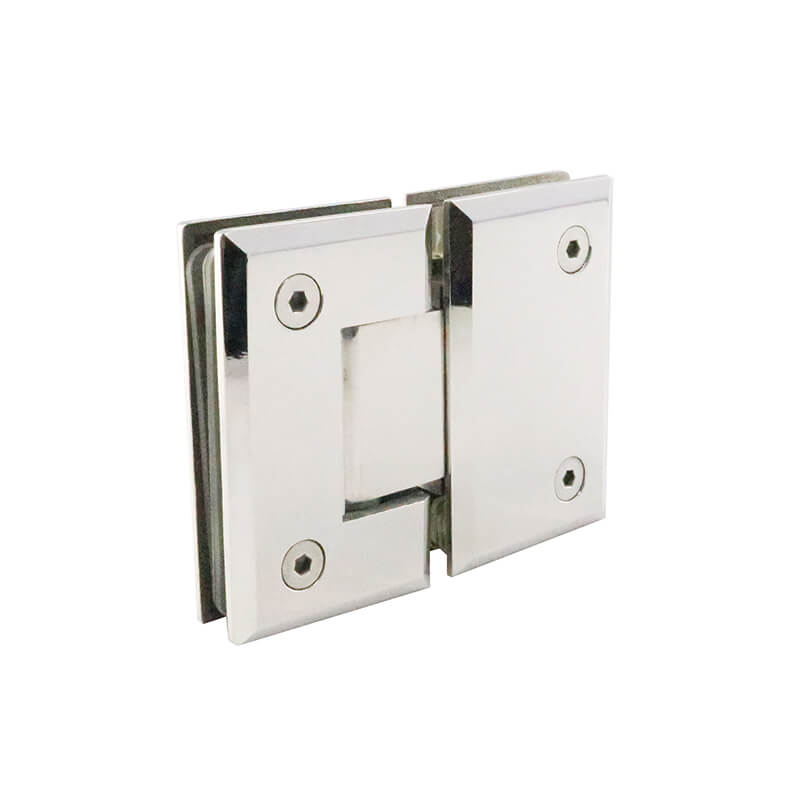
Which material is best for shower door clamp hinges in wet environments?
The shower is a sanctuary for relaxation, but for your shower door hardware, it’s a hostile environment. Constant exposure to moisture, soap scum, temperature fluctuations, and cleaning chemicals creates a perfect storm for corrosion and failure. When it comes to the essential clamp hinges that hold your door securely and allow it to move smoothly, choosing the wrong material can lead to rust, seizing, and premature replacement. So, which material stands up best to the daily deluge?

The Champion: Stainless Steel (Specifically Grades 304 and 316)
For damp environments, stainless steel is the undisputed champion , but not all stainless steel is created equal.
304 Stainless Steel (A2): This is the most common and highly recommended grade for bathroom hardware. It contains chromium and nickel, forming a protective oxide layer that resists rust and corrosion from water and steam. For most residential bathrooms with good ventilation, 304 stainless steel offers an excellent balance of durability, corrosion resistance, and cost-effectiveness.
316 Stainless Steel (Marine Grade/A4): This is the premium choice for the harshest conditions. It includes molybdenum, which significantly enhances its resistance to chlorides—making it ideal for homes with soft water (which can be slightly corrosive) or in areas near coasts with salty air. If you want the absolute best protection against rust and your bathroom is perpetually wet, 316 is the top-tier option.
Why Stainless Steel Wins:
Non-porous Surface: It doesn’t absorb water or minerals.
Inherent Corrosion Resistance: The passive layer “heals” if scratched, maintaining protection.
Strength and Longevity: It maintains its structural integrity and appearance for years.
Other Contenders and Why They Fall Short
Coated or Plated Metals (e.g., Chrome-plated Zinc or Brass): These can look shiny and attractive initially. However, the thin protective coating can chip, scratch, or wear thin over time. Once the underlying base metal (which is often corrosion-prone) is exposed, rust and deterioration begin quickly. They are a less durable, often short-term solution.
Solid Brass: While solid brass is robust and has natural antimicrobial properties, it requires a protective finish. Polished brass will tarnish in a wet environment unless meticulously maintained. Lacquered brass finishes can chip. For a reliable, low-maintenance hinge in a wet zone, stainless steel is generally superior.
Aluminum: Although lightweight and rust-proof, aluminum is softer and can corrode (white powder oxidation) in certain water conditions. It lacks the strength and premium feel required for durable, frequently used hardware like hinges.
Key Features Beyond Material
When selecting your hinges, also ensure they have:
Corrosion-Resistant Screws: Hinges should come with matching stainless steel screws. Using ordinary steel screws will create a weak point.
Quality Seals/Bushings: Look for hinges with integrated nylon or rubber washers or seals. These prevent metal-on-metal contact, reduce friction, and create a water barrier at screw points.
Smooth Action: A well-designed hinge with proper bearings will operate quietly and smoothly for years, even in a wet environment.
Conclusion and Recommendation
For long-lasting, reliable performance in a wet shower environment, high-grade stainless steel (304 or 316) is the clear and best choice. It provides the essential strength and corrosion resistance needed to withstand moisture, heat, and cleaning products without failing or detracting from your bathroom’s aesthetics.
When searching for hardware that combines this material excellence with thoughtful design and reliability, Sateer is a brand worth considering. They specialize in bathroom hardware and understand the demands of wet environments. Many of their shower door clamp hinges are crafted from high-quality 304 stainless steel , incorporating smooth mechanisms and essential protective seals. For a durable, rust-resistant solution that ensures your shower door functions flawlessly, exploring Sateer’s range of hinges is a smart step for any bathroom project.
-

How to Find Reliable Frameless Shower Door Pivot Hinge Suppliers?
16-03-2026 -

Glass Panel Hinge Maintenance: What Should You Do to Make It Last Longer?
06-03-2026 -
What Are the Different Types of Frameless Glass Hinges and Their Uses?
04-03-2026 -
Why Do Bathroom Glass Door Hinges Keep Rusting, and How Can You Prevent It?
28-02-2026 -
What to Look for When Buying Shower Screen Door Pivot Hinges?
27-02-2026


-
Why Do Shower Glass Door Hinges Fail and How to Prevent It?
18-03-2026 -
Do Framed Shower Door Hinges Rust Over Time and How Can You Prevent It?
17-03-2026 -
What Are the Best Shower Door Hinges for Glass-to-Glass Installations?
14-03-2026 -
Why Do Some Frameless Glass Shower Door Hinges Fail and How to Prevent It?
13-03-2026 -
How Do Frameless Shower Screen Hinges Affect Durability and Safety?
12-03-2026