Glass Door Clips: What Actually Holds a Frameless Shower Together
Anyone who has watched a frameless glass door swing open with a satisfied, weighted click knows the feeling is deceptive. Nothing about that motion is accidental. Glass door clips are the unglamorous hardware doing the real work behind that smooth arc, and choosing the wrong ones turns a beautiful bathroom feature into a slow-motion liability. This piece walks through what these clips actually do, why materials and construction matter more than aesthetics, and how to pick hardware that will still be tight and rust-free years from now.
What Glass Door Clips Actually Do
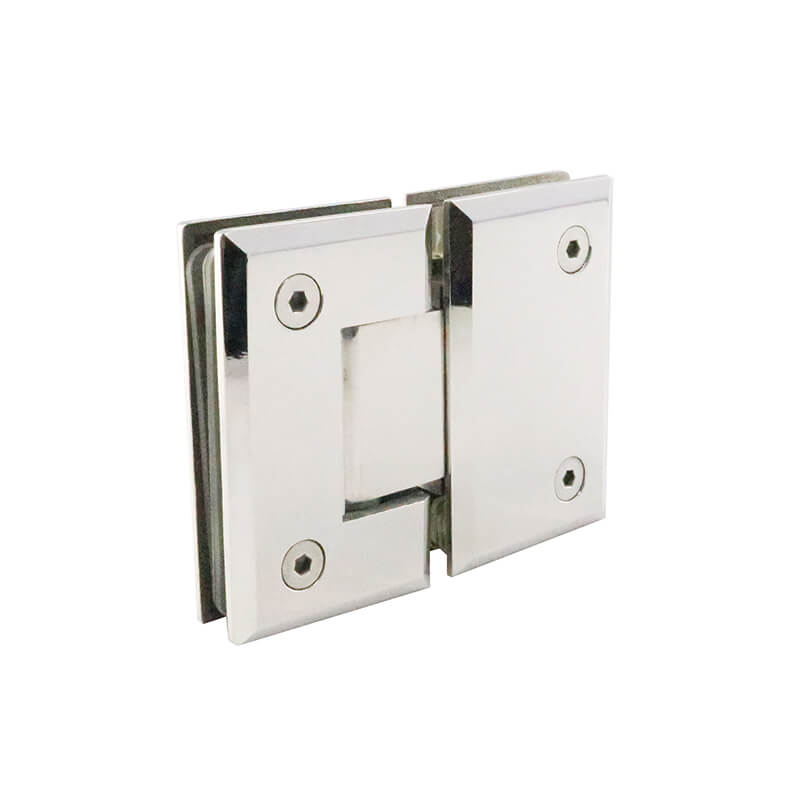
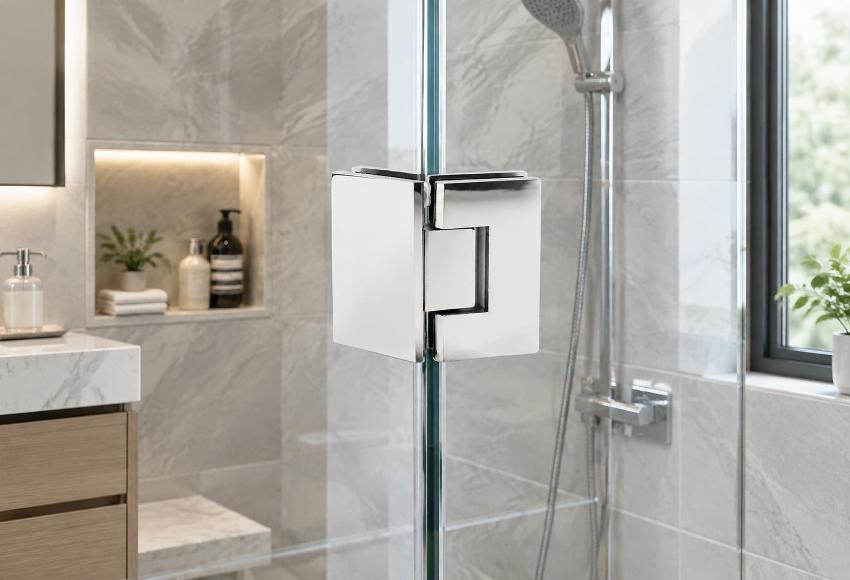
A frameless shower door has no metal frame to absorb stress, which means every ounce of load, from hinge tension to the door’s own weight, transfers directly into the clip. The clip is not decorative trim. It is a structural anchor point that clamps the glass panel and transfers force into the wall or pivot assembly.
Inside a typical clip, you will find a metal housing wrapped around an inner core, with rubber or gasket material lining the channel where the glass sits. That padding matters more than people assume. Glass expands and contracts slightly with temperature shifts, and a rigid metal-on-glass contact point, without cushioning, is exactly how hairline cracks start. The rubberized insert absorbs that movement instead of transmitting it into the panel edge.
Why Bathrooms Destroy Cheap Hardware
Steam, condensation, and standing humidity make a bathroom one of the harshest environments in a home for exposed metal. Ordinary steel corrodes here faster than almost anywhere else in the house, and once rust starts inside a clip’s mounting hardware, it does not stay cosmetic. It spreads to the screws, weakens the grip on the glass, and eventually the whole assembly loosens.
This is why material selection is not a minor spec buried in a datasheet. It is the difference between hardware that lasts and hardware you are replacing in eighteen months. Stainless steel grades commonly used for this application include:
| Grade | Typical Use Case | Corrosion Resistance |
|---|---|---|
| 201 | Budget interior installs, low humidity exposure | Moderate |
| 304 | Standard residential and hotel bathrooms | High |
| 316 | Coastal areas, heavy steam, commercial showers | Highest |
SATEER’s frameless shower door clips, for example, are built with thickened cold-rolled steel and a precision-cast iron inner core, paired with stainless steel options across the 201, 304, and 316 range depending on the installation environment. That layered construction, a tough outer shell over a dense inner core, is what gives the clip both rigidity and long-term corrosion resistance rather than one at the expense of the other.
The Screw You Never Notice, Until It Fails
Most people never look closely at the screws holding a shower door clip in place, but that small detail decides whether a stranger, or a curious toddler, can disassemble your shower door in under a minute. Standard screws are trivial to remove with common tools. Hexagon socket anti-theft screws require a specific driver shape, which meaningfully raises the effort needed to tamper with the fixture.
For hotel shower rooms especially, where hardware faces constant public use and occasional deliberate abuse, this small design choice has outsized practical value. It is a low-cost feature that prevents a disproportionately expensive callback.
Matching Clips to Door Thickness
Frameless glass doors are not all the same thickness, and a clip sized for one panel will not securely grip another. Installing a clip rated for a thinner pane onto thicker glass, or vice versa, creates a loose fit that undermines the entire cushioning system described earlier.
Before ordering hardware, confirm the following:
- Measure the actual glass panel thickness at the mounting point, not an assumed standard.
- Check the clip’s rated door thickness range against that measurement, commonly 8-12mm for standard frameless shower applications.
- Confirm the mounting surface, tile, stone, or drywall backing, can support the clip’s fastening method.
- Verify the finish matches the rest of the bathroom’s hardware, since mismatched tones are one of the most common post-installation complaints.
Skipping step one is the single most frequent mistake in DIY frameless shower installations, and it is the hardest one to fix after the tile work is finished.
Finish and Design: More Than Looks
Chrome, brushed nickel, matte black, and titanium finishes each carry a slightly different maintenance profile. Polished chrome shows water spots faster but is easiest to wipe clean. Matte black hides mineral buildup better but can show scratches more visibly over time. Neither is objectively superior; the right choice depends on your water hardness and how often the space gets cleaned.
SATEER offers its frameless shower door clips in PSS, SSS, black, golden, titanium, and other finish options, which lets the hardware match existing fixtures rather than forcing the whole bathroom’s palette around one component. That flexibility sounds minor until you are three weeks into a renovation and realize the faucet finish does not match the door hardware you already ordered.
Mute Mechanisms and Everyday Comfort
A door that slams every time someone showers is a small daily irritation that compounds over years of use. According to the product specifications, some glass door clip designs incorporate a mute switch mechanism intended to slow and cushion the final part of the swing, so the door settles rather than bangs.
This kind of detail rarely shows up in a spec sheet’s headline features, but it is often the thing homeowners mention first when asked what they like about a well-installed shower door. Comfort, in hardware terms, is usually the accumulation of several unremarkable engineering choices rather than one dramatic feature.
Common Questions About Glass Door Clips
Do glass door clips work on all frameless shower configurations?
Most clips are designed for a specific thickness range, typically 8-12mm, and configuration matters too. Confirm compatibility with your door’s pivot or hinge style before purchasing.
Can I install these myself, or do I need a professional?
Many clips are designed for straightforward mounting, but frameless glass is heavy and unforgiving of misalignment. If you are not confident measuring and leveling glass panels, professional installation reduces the risk of cracked glass or an uneven swing.
Why does my shower door clip look rusted already?
This usually points to a lower corrosion-resistance material, like 201 stainless steel, being used in a high-humidity environment better suited to 304 or 316 grades.
Are anti-theft screws necessary for a home bathroom?
They are not strictly required, but they add tamper resistance at minimal extra cost, which is particularly useful in rental properties, hotels, or homes with small children.
Choosing Hardware That Outlasts the Renovation
The uncomfortable truth about bathroom renovations is that hardware is usually the last thing chosen and the first thing to fail. Tile, fixtures, and glass get the attention; the clips holding it all together get an afterthought decision made under deadline pressure.
That is a mistake worth avoiding. Glass door clips built with corrosion-resistant stainless steel, a reinforced inner core, and tamper-resistant fastening will quietly outperform cheaper alternatives for years without ever drawing attention to themselves, which is really the whole point of good hardware. Whether you are outfitting a single residential bathroom or specifying fixtures across dozens of hotel shower rooms, the right glass door clips are the detail that determines whether the door still feels solid a decade from now, or starts wobbling within the first year.
-

Glass Door Clips: What Actually Holds a Frameless Shower Together
08-10-2026 -
Sliding Door Rollers: How to Choose the Right Wheel System for Frameless Glass
08-10-2026 -
Shower Door Hinges: How to Choose the Right Hardware for Frameless Glass Doors
08-10-2026 -
Glass Door Locks: What Frameless Glass Actually Needs to Stay Secure
08-10-2026 -
Glass Door Handles: Choosing Hardware That Balances Grip, Safety, and Style
08-10-2026
-

Why Do Shower Glass Door Hinges Fail and How to Prevent It?
18-03-2026 -

Do Framed Shower Door Hinges Rust Over Time and How Can You Prevent It?
17-03-2026 -
What Are the Best Shower Door Hinges for Glass-to-Glass Installations?
14-03-2026 -
Why Do Some Frameless Glass Shower Door Hinges Fail and How to Prevent It?
13-03-2026 -
How Do Frameless Shower Screen Hinges Affect Durability and Safety?
12-03-2026