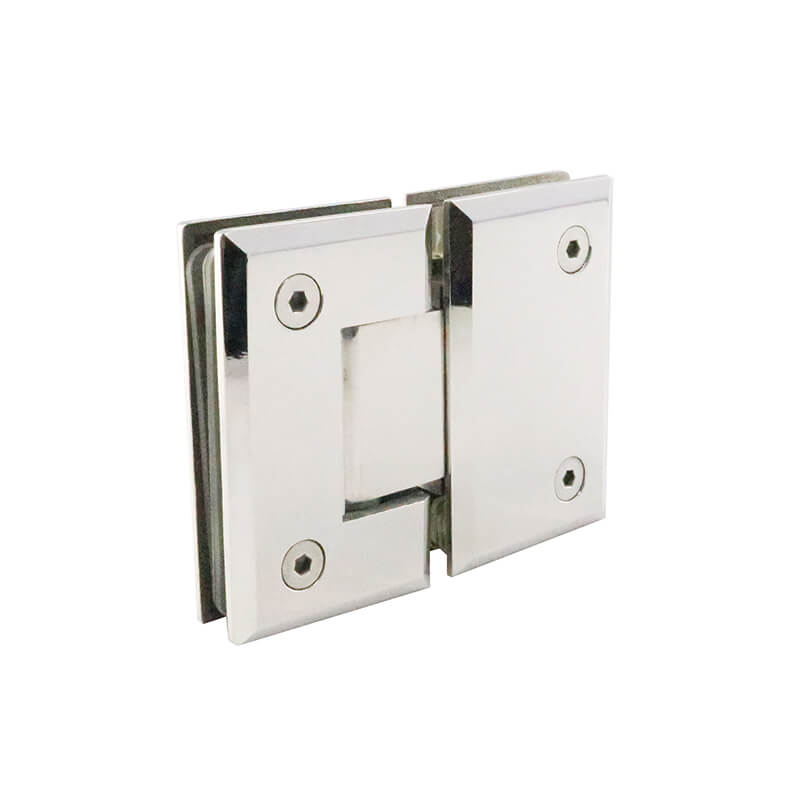
Essential Elements- Understanding the Role of Bathroom Glass Door Hinges
Introduction
In modern bathroom designs, glass door hinges have become an integral component, adding both functionality and aesthetic appeal. Understanding the essential elements of these hinges is crucial for homeowners, designers, and contractors alike. This article delves into the intricacies of bathroom glass door hinges, exploring their various types, materials, finishes, and installation methods to empower readers with the necessary knowledge for informed decision-making.
Types of Bathroom Glass Door Hinges
Swing Hinges: These hinges are designed for doors that swing inward or outward, allowing for full access to the shower or bathing area.
Pivot Hinges: Pivot hinges attach the door to the wall at both the top and bottom, permitting the door to rotate around a central point.
Sliding Door Hinges: Sliding door hinges enable doors to slide along tracks installed on the wall or ceiling.
Material and Finish Options
Brass: Brass hinges offer a classic, durable option with a warm, golden hue.
Stainless Steel: Stainless steel hinges are known for their corrosion resistance and durability, making them an excellent choice for humid bathroom environments.
Brushed Nickel: Brushed nickel hinges provide a sleek, understated finish that complements modern decors.
Installation Considerations
Glass Thickness: The thickness of the glass door must be compatible with the chosen hinges.
Weight Capacity: Hinges must be able to support the weight of the glass door and any additional hardware attached to it.
Clearance: Sufficient clearance is necessary around the door to prevent it from hitting any walls or fixtures when opening or closing.
Functional Aspects
Self-Closing: Self-closing hinges automatically close the door after it is opened, preventing moisture from escaping the shower area.
Soft Close: Soft close hinges prevent the door from slamming shut, reducing the risk of damage to the glass or surrounding surfaces.
Adjustable: Adjustable hinges allow for fine-tuning the fit and alignment of the door, ensuring smooth operation and longevity.
Aesthetic Considerations
Visible Hinges: Visible hinges can enhance the overall design of the bathroom, creating a focal point or complementing other hardware elements.
Concealed Hinges: Concealed hinges provide a seamless look, blending discreetly into the wall or door frame.
Conclusion
Understanding the essential elements of bathroom glass door hinges is paramount for achieving both functionality and aesthetic harmony. By considering the type of hinge, material, finish, installation requirements, and functional and aesthetic aspects, homeowners and professionals can make informed decisions that enhance the beauty, convenience, and longevity of their bathroom. The insights provided in this article empower readers to navigate the complexities of glass door hinges, enabling them to create stylish and functional bathroom spaces that meet their specific needs.
-

How to Find Reliable Frameless Shower Door Pivot Hinge Suppliers?
16-03-2026 -

Glass Panel Hinge Maintenance: What Should You Do to Make It Last Longer?
06-03-2026 -
What Are the Different Types of Frameless Glass Hinges and Their Uses?
04-03-2026 -
Why Do Bathroom Glass Door Hinges Keep Rusting, and How Can You Prevent It?
28-02-2026 -
What to Look for When Buying Shower Screen Door Pivot Hinges?
27-02-2026


-
Why Do Shower Glass Door Hinges Fail and How to Prevent It?
18-03-2026 -
Do Framed Shower Door Hinges Rust Over Time and How Can You Prevent It?
17-03-2026 -
What Are the Best Shower Door Hinges for Glass-to-Glass Installations?
14-03-2026 -
Why Do Some Frameless Glass Shower Door Hinges Fail and How to Prevent It?
13-03-2026 -
How Do Frameless Shower Screen Hinges Affect Durability and Safety?
12-03-2026