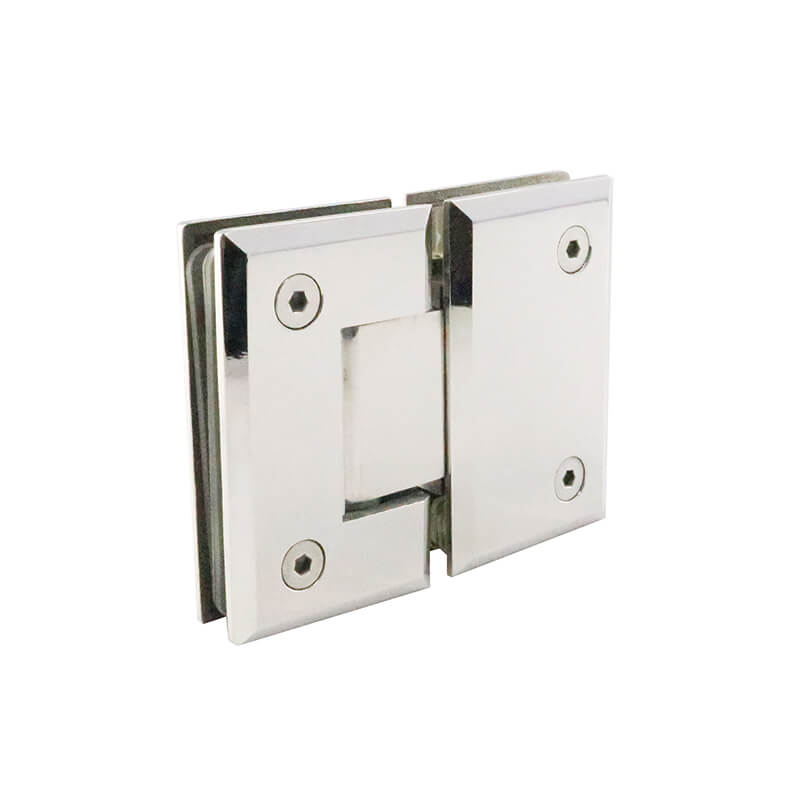
Eco-Friendly Options- Sustainable Practices in Glass Door Hinge Production
In the realm of architecture and interior design, sustainability has become an increasingly pressing concern. As the construction industry strives to minimize its environmental impact, innovative solutions are emerging that prioritize eco-friendly practices and materials. One such area that has garnered significant attention is the production of glass door hinges. Traditionally made from metals like stainless steel or brass, these seemingly innocuous components can have a surprisingly substantial carbon footprint. However, the advent of eco-friendly options has opened up avenues for creating sustainable door hinges without compromising on aesthetics or functionality.
Recycled and Recyclable Materials
Minimizing waste is a cornerstone of eco-friendly production. By utilizing recycled materials in the manufacturing process, glass door hinge manufacturers can reduce the demand for virgin resources while diverting waste from landfills. Some hinges are made from post-consumer recycled aluminum, which is a lightweight and durable metal that can be endlessly recycled without losing its inherent properties. Additionally, manufacturers are exploring the use of recycled plastic, which offers comparable durability and a reduced carbon footprint compared to traditional materials.
Renewable Energy Sources
The production of glass door hinges requires significant energy consumption, which can be a major contributor to greenhouse gas emissions. To address this issue, manufacturers are increasingly adopting renewable energy sources to power their operations. Solar and wind energy are clean and sustainable alternatives to fossil fuels, enabling hinges to be produced with a significantly lower carbon footprint. By harnessing the power of nature, manufacturers can minimize their impact on the environment without compromising production efficiency.
Water Conservation and Pollution Prevention
Water conservation is another crucial aspect of sustainable manufacturing. Traditional hinge production processes can consume large amounts of water, particularly during surface treatments such as electroplating. Eco-friendly hinges, on the other hand, utilize water-saving technologies and advanced coating techniques that minimize water usage. Additionally, manufacturers are implementing pollution prevention measures to reduce the discharge of harmful chemicals into the environment. Advanced wastewater treatment systems and adherence to environmental regulations ensure that the production process does not contaminate water sources.
Biodegradable Coatings and Lubricants
Conventional hinges often rely on oil-based lubricants and coatings that can harm the environment. Eco-friendly hinges feature biodegradable lubricants and coatings that minimize the risk of soil and water contamination. These bio-based alternatives are derived from plant-based or water-based sources, providing excellent lubrication and protection without adversely affecting the environment. By reducing the use of petroleum-based substances, manufacturers can create hinges with a greener profile.
Conclusion
Eco-friendly options for glass door hinge production are not merely a passing trend but a necessary step towards a more sustainable future. By embracing recycled and recyclable materials, utilizing renewable energy sources, conserving water, preventing pollution, and incorporating biodegradable components, manufacturers are creating hinges that meet the demands of both aesthetics and environmental responsibility. As the architecture and design industries continue to prioritize sustainability, the adoption of these eco-friendly practices will undoubtedly become the norm, reducing the environmental footprint of our built environments and fostering a greener tomorrow.
-

How to Find Reliable Frameless Shower Door Pivot Hinge Suppliers?
16-03-2026 -

Glass Panel Hinge Maintenance: What Should You Do to Make It Last Longer?
06-03-2026 -
What Are the Different Types of Frameless Glass Hinges and Their Uses?
04-03-2026 -
Why Do Bathroom Glass Door Hinges Keep Rusting, and How Can You Prevent It?
28-02-2026 -
What to Look for When Buying Shower Screen Door Pivot Hinges?
27-02-2026


-
Why Do Shower Glass Door Hinges Fail and How to Prevent It?
18-03-2026 -
Do Framed Shower Door Hinges Rust Over Time and How Can You Prevent It?
17-03-2026 -
What Are the Best Shower Door Hinges for Glass-to-Glass Installations?
14-03-2026 -
Why Do Some Frameless Glass Shower Door Hinges Fail and How to Prevent It?
13-03-2026 -
How Do Frameless Shower Screen Hinges Affect Durability and Safety?
12-03-2026