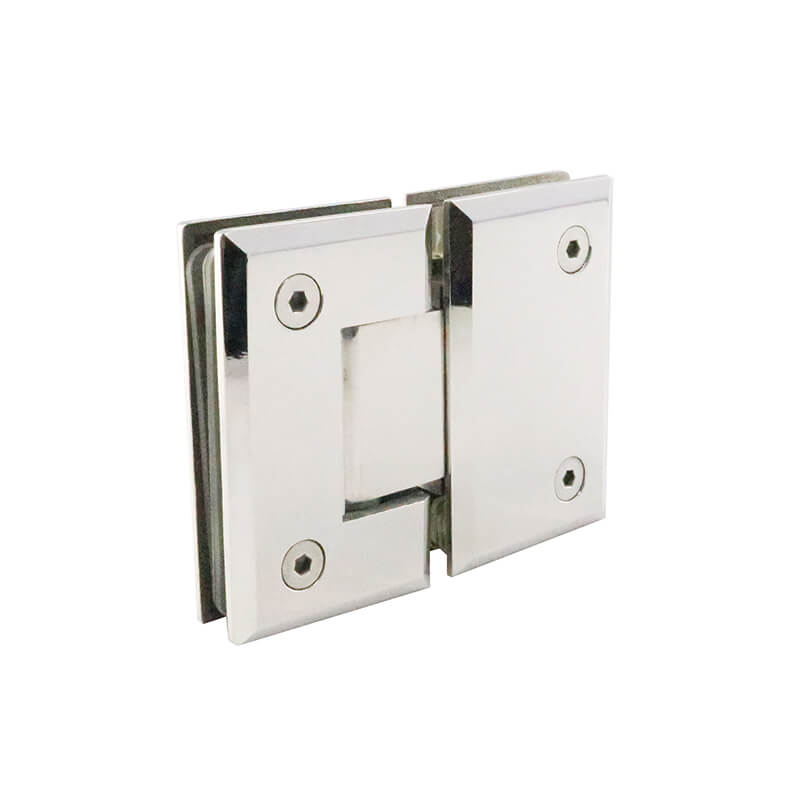
Eco-Friendly Design- Sustainable Practices in Shower Screen Clip Production
In an era marked by heightened environmental consciousness, eco-friendly design has emerged as a paramount concern for industries across the globe. The production of shower screen clips is no exception, as manufacturers strive to adopt sustainable practices that minimize their ecological footprint. The article “Eco-Friendly Design: Sustainable Practices in Shower Screen Clip Production” delves into the multifaceted efforts employed to achieve this objective.
Material Selection and Innovation
The choice of materials plays a pivotal role in reducing the environmental impact of shower screen clip production. Eco-conscious manufacturers opt for materials with lower carbon footprints, such as recycled or rapidly renewable resources. They also explore innovative material formulations that enhance durability and corrosion resistance while reducing waste and energy consumption.
Energy-Efficient Manufacturing
Manufacturing processes can contribute significantly to greenhouse gas emissions. To address this, manufacturers implement energy-saving initiatives such as optimizing production lines, utilizing renewable energy sources, and adopting energy-efficient equipment. These measures not only reduce carbon emissions but also lower operating costs.
Waste Reduction and Recycling
Shower screen clip production inevitably generates waste, but eco-friendly design embraces strategies to minimize its impact. By optimizing material usage, manufacturers reduce waste at the source. Recycling programs ensure that discarded materials are processed into new products, diverting them from landfills and reducing resource consumption.
Water Management and Conservation
Water conservation is another key aspect of sustainable shower screen clip production. Manufacturers implement water-saving technologies in their production facilities, such as closed-loop systems that recirculate water for reuse. They also explore alternative water sources, such as rainwater harvesting, to reduce reliance on municipal water supplies.
Transparency and Traceability
To foster consumer confidence and accountability, eco-conscious manufacturers prioritize transparency and traceability. They provide detailed information about their sustainable practices, including material sourcing, energy usage, and waste management. This open communication empowers consumers to make informed choices and promotes ethical production standards throughout the industry.
Conclusion
Eco-Friendly Design: Sustainable Practices in Shower Screen Clip Production highlights the transformative power of sustainability in the manufacturing sector. By embracing innovative materials, energy-efficient processes, waste reduction initiatives, and transparent practices, manufacturers can significantly reduce their environmental impact while fostering a more sustainable future. As consumers become increasingly conscious of their ecological choices, the adoption of eco-friendly design will play a pivotal role in driving sustainable consumption patterns and preserving our planet for generations to come.
-

How to Find Reliable Frameless Shower Door Pivot Hinge Suppliers?
16-03-2026 -

Glass Panel Hinge Maintenance: What Should You Do to Make It Last Longer?
06-03-2026 -
What Are the Different Types of Frameless Glass Hinges and Their Uses?
04-03-2026 -
Why Do Bathroom Glass Door Hinges Keep Rusting, and How Can You Prevent It?
28-02-2026 -
What to Look for When Buying Shower Screen Door Pivot Hinges?
27-02-2026


-
Why Do Shower Glass Door Hinges Fail and How to Prevent It?
18-03-2026 -
Do Framed Shower Door Hinges Rust Over Time and How Can You Prevent It?
17-03-2026 -
What Are the Best Shower Door Hinges for Glass-to-Glass Installations?
14-03-2026 -
Why Do Some Frameless Glass Shower Door Hinges Fail and How to Prevent It?
13-03-2026 -
How Do Frameless Shower Screen Hinges Affect Durability and Safety?
12-03-2026