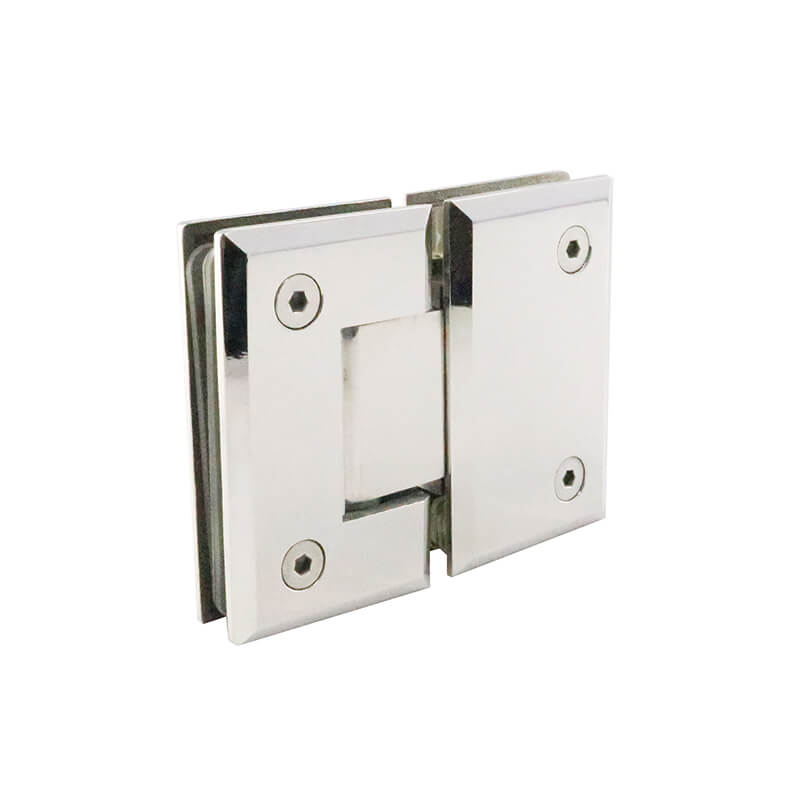
Choosing the Right Material for Your Shower Screen Door Rollers
Shower screen door rollers are an essential component that ensures the smooth and effortless operation of your shower screen door. Choosing the right material for these rollers is crucial to enhance the functionality, durability, and aesthetics of your shower enclosure. This article will provide comprehensive insights into the various materials available for shower screen door rollers, highlighting their advantages and drawbacks to help you make an informed decision.
Materials for Shower Screen Door Rollers
Plastic Rollers
Advantages:
Low cost: Plastic rollers are the most economical option, making them a budget-friendly choice.
Lightweight: Plastic is a lightweight material, reducing the overall weight of the door.
Corrosion-resistant: Plastic is not susceptible to rust or corrosion, ensuring longevity in humid bathroom environments.
Drawbacks:
Low durability: Plastic rollers are less durable compared to other materials and can wear out more quickly.
Noise: Plastic rollers can produce more noise than other materials, especially when the door is heavy.
Limited load capacity: Plastic rollers have a lower load capacity, which can limit their suitability for larger or heavier shower doors.
Nylon Rollers
Advantages:
Moderate cost: Nylon rollers are more expensive than plastic rollers but more affordable than stainless steel rollers.
Good durability: Nylon is a more durable material than plastic, offering increased longevity.
Smooth operation: Nylon rollers provide a smooth and quiet operation, reducing noise and ensuring a comfortable user experience.
Drawbacks:
Susceptible to UV damage: Nylon can become brittle and deteriorate when exposed to prolonged sunlight.
May require lubrication: Nylon rollers may require regular lubrication to maintain optimal performance.
Load capacity: While nylon rollers have a higher load capacity than plastic rollers, they may not be suitable for heavy shower doors.
Stainless Steel Rollers
Advantages:
High durability: Stainless steel is an extremely durable material, making rollers resistant to wear and tear.
Corrosion-resistant: Stainless steel is highly resistant to corrosion, ensuring longevity and maintaining a polished appearance.
High load capacity: Stainless steel rollers can withstand heavy loads, making them suitable for large and heavy shower doors.
Drawbacks:
High cost: Stainless steel rollers are the most expensive option and can significantly increase the overall budget.
Heavier: Stainless steel is a heavier material, adding to the overall weight of the door.
Can be noisy: Stainless steel rollers may produce more noise than other materials when the door is operated.
-

How to Find Reliable Frameless Shower Door Pivot Hinge Suppliers?
16-03-2026 -

Glass Panel Hinge Maintenance: What Should You Do to Make It Last Longer?
06-03-2026 -
What Are the Different Types of Frameless Glass Hinges and Their Uses?
04-03-2026 -
Why Do Bathroom Glass Door Hinges Keep Rusting, and How Can You Prevent It?
28-02-2026 -
What to Look for When Buying Shower Screen Door Pivot Hinges?
27-02-2026


-
Why Do Shower Glass Door Hinges Fail and How to Prevent It?
18-03-2026 -
Do Framed Shower Door Hinges Rust Over Time and How Can You Prevent It?
17-03-2026 -
What Are the Best Shower Door Hinges for Glass-to-Glass Installations?
14-03-2026 -
Why Do Some Frameless Glass Shower Door Hinges Fail and How to Prevent It?
13-03-2026 -
How Do Frameless Shower Screen Hinges Affect Durability and Safety?
12-03-2026