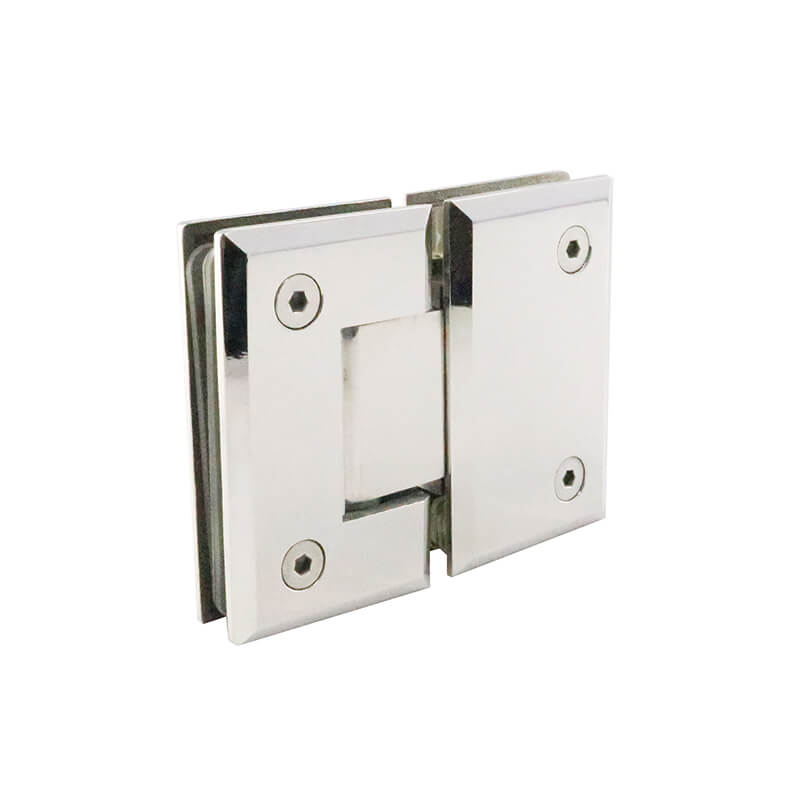
The historical evolution and future trend of glass door H-type handle
The Historical Evolution and Future Trend of Glass Door H-Type Handles
In the realm of architectural hardware, the glass door H-type handle stands as a testament to both form and function. Its journey through history has been marked by innovation, adaptation, and a constant pursuit of aesthetic excellence.
Historical Evolution:
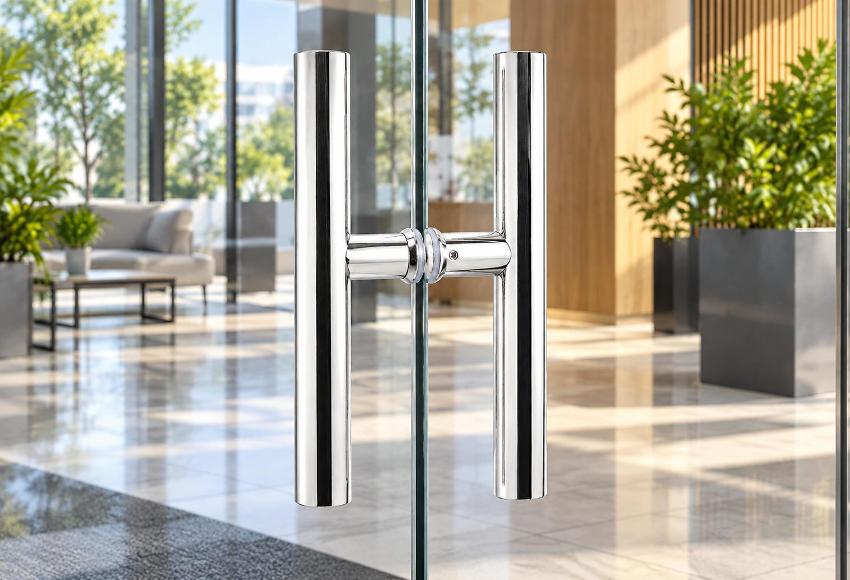
The H-type handle first emerged in the early 20th century as a sleek and minimalist solution for glass doors. Its simple yet elegant design consisted of two parallel bars joined by a horizontal element, creating a distinctive “H” shape. Over time, the H-type handle evolved to accommodate various glass thicknesses and door styles, becoming a ubiquitous feature in homes and commercial buildings alike.
Functional Benefits:
The H-type handle offers a range of functional advantages. Its ergonomically designed grip ensures a comfortable and secure grasp. Its low profile reduces the likelihood of accidental contact, making it ideal for busy areas. Additionally, its corrosion-resistant materials ensure longevity and durability, even in harsh environments.
Aesthetic Evolution:
As the H-type handle gained popularity, its design underwent subtle aesthetic transformations. Variations in finish, from polished chrome to brushed nickel, allowed it to complement a wide range of architectural styles. The introduction of colored coatings and decorative elements added a touch of flair to this otherwise functional fixture.
Future Trends:
The future of the H-type handle is poised for further innovation. The integration of technology is one emerging trend, with handles incorporating touch sensors for automatic door opening. Smart handles that connect to home automation systems could provide remote control and access management capabilities.
In terms of design, the future holds the promise of sustainability and customization. Eco-friendly materials and manufacturing processes will reduce the environmental impact of H-type handles. 3D printing technology could enable the creation of bespoke handles that match individual preferences and enhance the overall aesthetics of glass doors.
Conclusion:
The glass door H-type handle has come a long way from its humble origins, transforming into a highly functional and aesthetically pleasing fixture. As technology and design continue to evolve, the H-type handle is poised to remain a vital component of modern architectural hardware, seamlessly blending form and function to enhance both the safety and beauty of glass doors.
-

Glass Door Clips: What Actually Holds a Frameless Shower Together
08-10-2026 -
Sliding Door Rollers: How to Choose the Right Wheel System for Frameless Glass
08-10-2026 -
Shower Door Hinges: How to Choose the Right Hardware for Frameless Glass Doors
08-10-2026 -
Glass Door Locks: What Frameless Glass Actually Needs to Stay Secure
08-10-2026 -
Glass Door Handles: Choosing Hardware That Balances Grip, Safety, and Style
08-10-2026
-

Why Do Shower Glass Door Hinges Fail and How to Prevent It?
18-03-2026 -

Do Framed Shower Door Hinges Rust Over Time and How Can You Prevent It?
17-03-2026 -
What Are the Best Shower Door Hinges for Glass-to-Glass Installations?
14-03-2026 -
Why Do Some Frameless Glass Shower Door Hinges Fail and How to Prevent It?
13-03-2026 -
How Do Frameless Shower Screen Hinges Affect Durability and Safety?
12-03-2026