Frameless Shower Door Clips: Hardware That Holds the Line Between Function and Failure
When a frameless glass shower door swings open with precision or closes without rattling, most people don’t consider the small metal components making that possible. Yet the performance of frameless shower door clips determines whether a bathroom installation feels stable or becomes a maintenance problem within months. These clips anchor glass panels to walls and floors, handling repetitive stress from daily use while resisting moisture in one of the harshest indoor environments.
Unlike traditional framed enclosures where aluminum channels distribute load across the perimeter, frameless systems concentrate mechanical forces at discrete mounting points. This puts enormous responsibility on each clip. Poor-quality hardware fails visibly: loose panels, water seepage at joints, corrosion stains on pristine glass, or worse, catastrophic detachment. Understanding what separates reliable clips from superficial alternatives requires looking past finish options to examine material composition, load distribution design, and corrosion engineering.
Why Material Choice Defines Clip Longevity
The base material of a shower door clip dictates its service life more than any other factor. Frameless shower door clips typically use stainless steel in three grades: 201, 304, or 316. Each designation reflects a different chromium and nickel content, which directly affects corrosion resistance. Grade 201 contains lower nickel levels and suits moderate humidity environments. Grade 304, the workhorse of commercial installations, balances cost with reliable performance in daily shower exposure. Grade 316 adds molybdenum for superior resistance to chlorides and salts, making it appropriate for coastal properties or facilities using hard water.
Beneath the exterior finish, some clips incorporate a cast iron core. This design layers different materials for specific mechanical benefits: the inner core provides structural rigidity and screw-holding capacity, while the outer stainless shell blocks moisture penetration. Without this construction, repeated tightening of mounting screws can strip threads in softer metals, loosening the entire assembly over time.
Thickness matters as much as composition. Thin-gauge steel reduces manufacturing cost but compromises long-term stability. Thickened cold-rolled steel resists deformation under load and maintains clamping pressure on glass edges. When evaluating clips, ask about material gauge specifications rather than relying on visual inspection alone.
Load Distribution and Glass Edge Protection
Glass panels in frameless enclosures typically range from 8mm to 12mm thick and can weigh 30 kilograms or more per square meter. Every time someone pushes a door open, that force transfers through the clips into the wall substrate. Poorly designed clips create stress concentrations at glass edges, increasing fracture risk. Quality hardware uses internal rubber or silicone gaskets that distribute pressure evenly across the contact area.
These gaskets serve multiple functions. They cushion the glass against metal contact, preventing microfractures from vibration or impact. They also create a moisture barrier between the clip body and glass surface, reducing mineral deposit buildup. Look for clips with replaceable gasket components rather than permanently bonded inserts, since gasket materials degrade faster than metal in humid conditions.
The shape of the clip channel influences how securely it grips the glass. Rectangular profiles with parallel clamping surfaces maintain consistent pressure across the entire glass edge. Tapered or asymmetric designs can shift over time, allowing the panel to tilt or develop play at the hinge point. Precision-cast components maintain tighter tolerances than stamped or bent sheet metal, translating to better long-term alignment.
Fastening Systems That Resist Tampering and Loosening
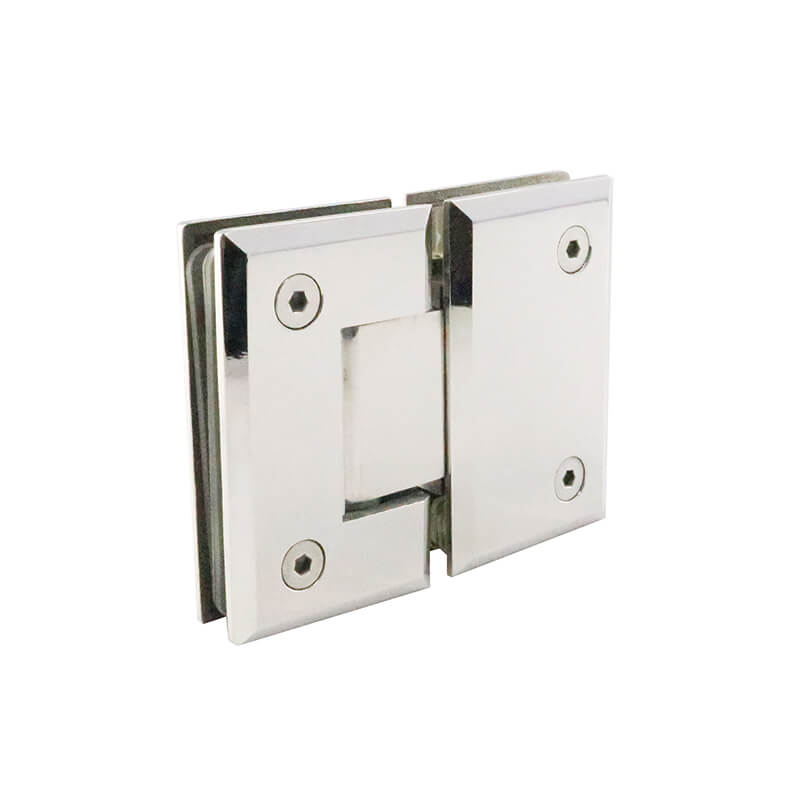
Standard Phillips or slotted screws have no place in shower door installations. Humid environments cause conventional fasteners to corrode at the drive interface, making future adjustments impossible. Hex socket screws resist this degradation by enclosing the drive cavity, limiting moisture intrusion. Some manufacturers incorporate anti-theft features into these fasteners, using proprietary socket shapes or pin-in-socket designs that require specialized tools for removal.
This isn’t about security theater. Hexagon socket anti-theft screws prevent accidental loosening from vibration and block casual disassembly by children or unauthorized individuals. In commercial settings like hotels, they reduce maintenance liability by ensuring only qualified technicians service the hardware. The structural benefit comes from the increased torque capacity of hex drives compared to cross-slot patterns, allowing installers to achieve proper clamping force without stripping the fastener.
Thread locking compounds or mechanical lock washers should supplement the fastener design. These additions compensate for thermal expansion cycles that naturally occur as hot shower steam contacts cold mounting surfaces, which can gradually back out screws over months of use.
Installation Geometry and Alignment Precision
Mounting a clip seems straightforward until you account for substrate variations. Ceramic tile, natural stone, drywall, and concrete each require different anchor strategies and drill techniques. Clips must align precisely with glass panel edges, maintaining square orientation to prevent binding during door operation. Misalignment by even two degrees can cause uneven gasket compression, creating water leak paths or excessive wear on one side of the hardware.
Many frameless shower door clips accommodate adjustment through slotted mounting holes or shim-compatible designs. This tolerance window allows installers to compensate for out-of-plumb walls or uneven tile surfaces without compromising structural integrity. However, adjustment range has limits. Clips cannot correct gross installation errors or substitute for proper substrate preparation.
The mounting surface itself must meet minimum load requirements. Hollow tile installations over drywall need backing boards or toggle anchors to distribute forces into structural framing. Direct fastening into tile grout almost always fails within months as repetitive loads fracture the brittle material. Professional installations identify wall studs or blocking and position clips accordingly, even if this constrains door placement options.
Corrosion Pathways in Humid Environments
Bathroom humidity fluctuates dramatically between shower use and idle periods, creating condensation cycles that accelerate corrosion. Water alone doesn’t corrode stainless steel effectively, but dissolved salts, chlorine compounds from municipal water treatment, and soap residues change the chemistry. These contaminants create localized pH variations that break down the passive chromium oxide layer protecting stainless steel surfaces.
Galvanic corrosion occurs when dissimilar metals contact in the presence of an electrolyte. If a stainless steel clip fastens with zinc-plated screws, the zinc corrodes preferentially, weakening the joint. Quality hardware uses matching metallurgy throughout, or isolates dissimilar materials with non-conductive washers.
Crevice corrosion develops in gaps between components where water pools but air circulation remains limited. The oxygen-starved environment inside these crevices shifts the electrochemical balance, initiating pitting that spreads beneath the surface. Properly sealed gasket interfaces and well-drained clip designs minimize this risk, but no passive system eliminates it entirely. Periodic cleaning and inspection remain necessary maintenance tasks.
Performance Indicators During Daily Operation
A well-installed frameless shower door clips system operates almost silently. The door swings smoothly without binding, closes with controlled deceleration, and shows no vertical sag over time. Excessive noise during operation signals problems: squeaking indicates dry or worn gaskets, clicking suggests loose fasteners or misaligned hardware, and grinding points to metal-on-metal contact where protective layers have failed.
Glass panel movement at rest indicates inadequate clamping force or failed mounting anchors. Even high-quality clips lose effectiveness if the underlying wall substrate deteriorates. Water damage to drywall or grout degradation around mounting points creates progressive failure modes that present as hardware problems but originate in structural issues.
Temperature changes cause materials to expand and contract at different rates. Clips must accommodate this movement without loosening or over-constraining the glass. Rigid systems that don’t allow thermal expansion can develop stress fractures in glass panels, particularly near mounting points. Flexible gasket materials and proper installation torque specifications address this physical reality.
Comparing Mounting Configurations
| Configuration Type | Load Capacity | Adjustment Range | Installation Complexity | Typical Applications |
|---|---|---|---|---|
| Wall-mounted clip | High | Limited | Moderate | Inline panels, fixed screens |
| Floor-mounted pivot | Very High | Minimal | High | Swinging doors, heavy glass |
| Header-mounted track | Moderate | Good | Low | Sliding doors, bypass systems |
| Hybrid mounting | High | Excellent | High | Custom enclosures, angled installations |
Each mounting approach solves different spatial and functional requirements. Wall-mounted clips work well for fixed panels and return walls where lateral loads remain modest. Floor-mounted systems handle the rotational forces of swinging doors more effectively but require precise floor flatness for proper operation. Understanding these trade-offs helps match hardware to installation conditions rather than defaulting to whatever components the glass supplier stocks.
Maintenance Practices That Extend Hardware Life
Regular cleaning sounds obvious but most people overlook the hardware while focusing on glass surfaces. Soap scum and mineral deposits accumulate in clip crevices, trapping moisture against metal surfaces and accelerating degradation. Quarterly cleaning with non-abrasive cleaner and a soft brush removes these contaminants before they cause problems.
Fastener inspection should occur annually. Check for visible corrosion at screw heads, test for looseness by attempting to rotate each fastener a quarter turn, and look for gaps opening between the clip body and glass surface. Catching loosening hardware early allows simple retightening rather than waiting for complete failure.
Gasket condition degrades gradually. Visible cracking, hardening, or compression set indicates replacement is needed. Most quality clip designs allow gasket replacement without removing the entire assembly, making this maintenance task straightforward. Using manufacturer-specified replacement parts ensures proper fit and material compatibility.
Selecting Hardware for Specific Installations
Residential installations prioritize aesthetics and cost-effectiveness. Grade 304 stainless steel provides adequate corrosion resistance for homes with moderate water hardness and standard ventilation. Polished or brushed finishes match common bathroom fixture styles without premium pricing.
Hotel and commercial properties face higher usage intensity and liability exposure. Grade 316 stainless steel and more robust mounting systems justify their increased cost through extended service intervals and reduced failure risk. Facilities using central water heating or located near coastlines particularly benefit from the enhanced corrosion resistance.
Custom enclosures with unusual geometries or oversized glass panels need engineering-grade hardware. Standard clips may not provide adequate load capacity or adjustment range for these applications. Consulting with hardware manufacturers during the design phase prevents costly modifications after glass fabrication.
For us at Sateer, manufacturing frameless shower door clips means balancing material cost against performance requirements while maintaining consistency across production runs. The STE-F001 model uses thickened cold-rolled steel with precision-cast iron cores, accommodating 8-12mm glass and offering multiple finish options. This design emerged from addressing common failure modes we documented through field service data rather than following generic industry templates.
Installation Details That Affect Long-Term Performance
Proper drilling technique prevents subsurface damage that only appears months later. Hammer drills create microfractures in tile and stone that propagate under repeated load cycles. Rotary-only drilling at correct speeds reduces this damage, though it requires more time and sharp bits appropriate for the specific material.
Anchoring depth matters more than most installers realize. Screws must penetrate into solid substrate material, not just the finish layer. For tile installations over cement board, this means drilling through tile and at least 25mm into the backing material. Shallow mounting might seem secure initially but fails as daily use works the fasteners loose.
Sealant application around clip perimeters blocks water infiltration into wall cavities but shouldn’t substitute for proper gasket function. Silicone sealant degrades over five to seven years and requires periodic replacement. Clear sealants show aging less obviously than white or colored versions, but all require the same maintenance attention.
Common Questions About Clip Selection and Use
Can clips designed for 8mm glass safely hold 10mm panels?
Operating clips beyond their specified glass thickness range compromises clamping force distribution and increases stress concentration at glass edges, risking both hardware failure and glass fracture.
Do finish options affect corrosion resistance?
Surface finishes like powder coating or PVD plating add aesthetic variety but provide minimal corrosion protection compared to base material composition. A poorly finished Grade 316 clip still outperforms a beautifully finished Grade 201 component in harsh environments.
How much weight can a single clip support?
Load capacity depends on clip design, mounting substrate, and installation quality rather than a universal rating. Manufacturer specifications for specific models should guide design decisions.
Should I replace clips when changing a glass panel?
If existing clips show no corrosion, looseness, or damage, and the new glass matches the thickness range of the original panel, reuse is generally acceptable. However, gaskets should always be replaced during panel changes.
What causes clips to develop rust spots despite stainless steel construction?
Surface contamination from steel wool, metal shavings from drilling, or contact with carbon steel tools can embed ferrous particles in stainless steel surfaces, creating rust spots that don’t reflect base material failure.
The difference between functional hardware and failing hardware often traces back to initial selection and installation quality rather than inherent product limitations. Frameless shower door clips operate in demanding conditions where material science, mechanical design, and proper installation technique must align. Understanding these factors transforms hardware selection from guesswork into an engineering decision with predictable outcomes.
-

Frameless Shower Door Clips: Hardware That Holds the Line Between Function and Failure
10-10-2026 -
Stainless Steel Glass Door Lock: Engineering for Frameless Installations
09-10-2026 -
Glass Door Clips: What Actually Holds a Frameless Shower Together
08-10-2026 -
Sliding Door Rollers: How to Choose the Right Wheel System for Frameless Glass
08-10-2026 -
Shower Door Hinges: How to Choose the Right Hardware for Frameless Glass Doors
08-10-2026
-

Why Do Shower Glass Door Hinges Fail and How to Prevent It?
18-03-2026 -

Do Framed Shower Door Hinges Rust Over Time and How Can You Prevent It?
17-03-2026 -
What Are the Best Shower Door Hinges for Glass-to-Glass Installations?
14-03-2026 -
Why Do Some Frameless Glass Shower Door Hinges Fail and How to Prevent It?
13-03-2026 -
How Do Frameless Shower Screen Hinges Affect Durability and Safety?
12-03-2026