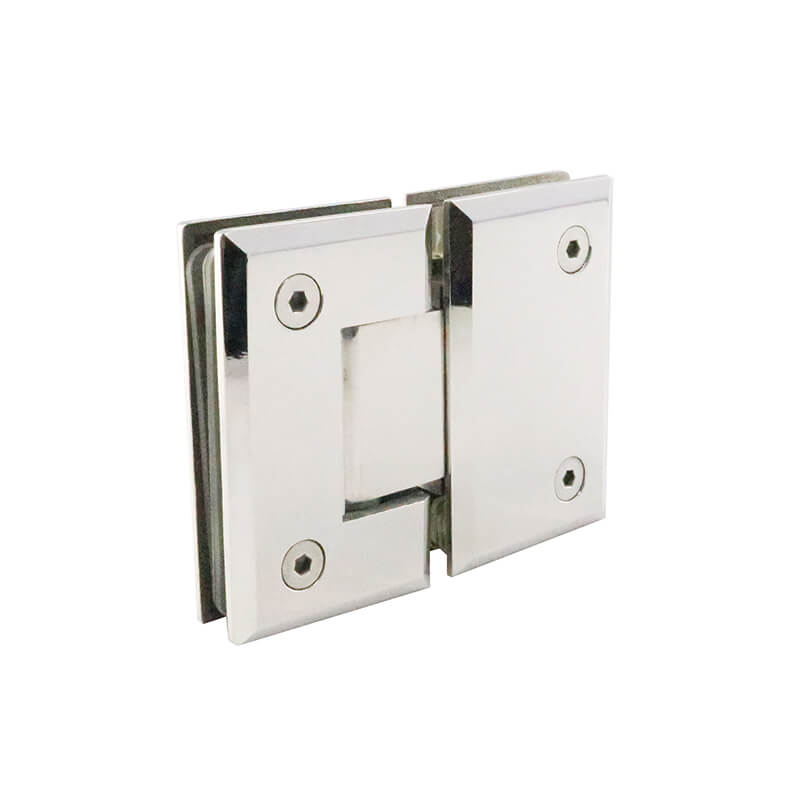
Should You Choose Frameless or Framed Glass Shower Screen Hinges?
Not only does a shower screen enhance the aesthetics of your space, but it also plays a critical role in functionality, safety, and durability. Among the many factors to consider, selecting the right type of hinges for your glass shower screen is crucial. Specifically, you might wonder whether to choose frameless or framed glass shower screen hinges . Let’s explore the differences, benefits, and considerations to help you make an informed choice.
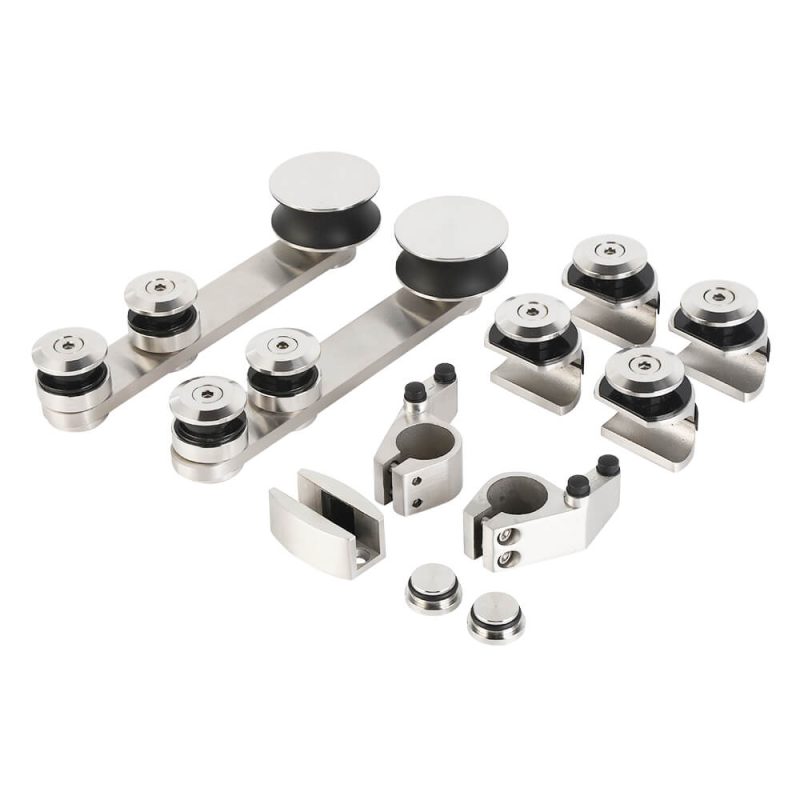
Understanding Frameless vs. Framed Shower Screens
Before diving into hinges, it’s important to understand the basic difference between frameless and framed shower screens.
Framed Shower Screens are supported by metal frames along the edges of the glass panels. The hinges in framed designs are usually attached to the frame rather than the glass itself. This setup provides extra stability and makes installation relatively simpler.
Frameless Shower Screens , on the other hand, do not have a surrounding frame. The glass panels are thicker and the hinges attach directly to the glass. This gives the shower a sleek, modern look and creates an illusion of more space, but it requires precise installation and high-quality hardware to ensure safety and longevity.
Key Differences in Hinges
The type of hinges used can significantly impact the performance and look of your shower screen. Here are the main differences:
Attachment Method
Framed Hinges: These hinges are typically fixed to the metal frame and not directly to the glass. This makes them slightly more forgiving if the walls are uneven or if there are minor installation errors.
Frameless Hinges: Frameless hinges attach directly to the glass using specialized clamps and screws. The glass must be tempered and thick enough (usually 8–12 mm) to withstand the stress.
Aesthetic Appeal
Framed Hinges: While functional and secure, framed hinges are more visible and can create a slightly bulkier appearance. They may suit traditional or minimalist designs depending on the finish.
Frameless Hinges: Frameless hinges are usually smaller and more discreet, contributing to a clean, modern look. They are perfect for contemporary bathrooms where the design focuses on openness and simplicity.
Durability and Maintenance
Framed Hinges: Frames provide additional structural support, which can reduce stress on the hinges over time. However, frames can accumulate soap scum and water deposits, requiring regular cleaning.
Frameless Hinges: These hinges rely entirely on precision engineering and strong glass. High-quality frameless hinges are extremely durable but may require occasional adjustment to maintain smooth operation. They are easier to clean since there’s no frame to trap grime.
Considerations When Choosing Hinges
When deciding between frameless and framed hinges, consider the following factors:
Bathroom Layout
If your bathroom is small, frameless designs with minimal hinges can create a sense of openness. Larger bathrooms can accommodate framed screens, which provide added sturdiness without compromising style.
Budget
Framed hinges are generally more affordable due to simpler installation and less glass thickness. Frameless hinges tend to be more expensive because they require precision glass cutting, thicker panels, and high-quality hardware.
Safety
Safety is paramount. Frameless hinges require tempered glass and must be installed with precision to prevent stress fractures. Framed hinges provide extra support, which may be preferable in households with children or elderly members.
Maintenance
Consider how much time you want to spend cleaning. Frameless designs are easier to maintain visually, while framed options may require more attention to prevent buildup around the metal edges.
Tips for Choosing the Right Hinges
Check Weight Capacity: Make sure the hinge can support the thickness and weight of your glass panel. Frameless glass is heavier and needs hinges rated for the load.
Material Quality: Stainless steel or brass hinges resist rust and corrosion, especially in humid bathroom environments.
Smooth Operation: Test the hinge for smooth opening and closing. Look for models with soft-closing or self-aligning features.
Professional Installation: Especially for frameless screens, hiring an experienced installer ensures both safety and longevity.
Final Thoughts
Both framed and frameless glass shower screen hinges offer unique advantages. Framed hinges are practical, budget-friendly, and forgiving, making them ideal for traditional or high-traffic bathrooms. Frameless hinges, however, deliver a sleek, contemporary look with minimal visual obstruction, perfect for modern and spacious bathroom designs. Ultimately, the choice depends on your design preferences, budget, and long-term maintenance considerations.
When choosing your hinges, it’s essential to invest in quality hardware that combines durability, functionality, and style. Sateer offers a wide range of premium glass shower screen hinges designed for both framed and frameless installations. With Sateer hinges, you can enjoy smooth operation, robust construction, and an elegant finish that enhances your bathroom’s overall look and feel.
-

How to Find Reliable Frameless Shower Door Pivot Hinge Suppliers?
16-03-2026 -

Glass Panel Hinge Maintenance: What Should You Do to Make It Last Longer?
06-03-2026 -
What Are the Different Types of Frameless Glass Hinges and Their Uses?
04-03-2026 -
Why Do Bathroom Glass Door Hinges Keep Rusting, and How Can You Prevent It?
28-02-2026 -
What to Look for When Buying Shower Screen Door Pivot Hinges?
27-02-2026


-
Why Do Shower Glass Door Hinges Fail and How to Prevent It?
18-03-2026 -
Do Framed Shower Door Hinges Rust Over Time and How Can You Prevent It?
17-03-2026 -
What Are the Best Shower Door Hinges for Glass-to-Glass Installations?
14-03-2026 -
Why Do Some Frameless Glass Shower Door Hinges Fail and How to Prevent It?
13-03-2026 -
How Do Frameless Shower Screen Hinges Affect Durability and Safety?
12-03-2026