

Why Do Bathroom Glass Door Hinges Keep Rusting, and How Can You Prevent It?
Bathroom glass doors, particularly in modern homes, are a stylish and functional addition. They add a touch of elegance, make the bathroom feel more spacious, and are relatively easy to maintain. However, one issue that many homeowners face over time is rust on bathroom glass door hinges. These small but crucial components are prone to rust, which can undermine the aesthetic and functionality of the door. So, why do bathroom glass door hinges rust, and more importantly, how can you prevent it?

Understanding the Causes of Rust on Bathroom Glass Door Hinges
Before diving into prevention, it’s important to understand why rust forms in the first place. Rust is a type of corrosion that occurs when metal is exposed to moisture and oxygen. In bathrooms, the high humidity levels combined with frequent exposure to water make metal components like hinges especially vulnerable. Let’s explore the main reasons bathroom glass door hinges rust:
1. High Humidity Levels
Bathrooms are inherently humid environments due to frequent showering, bathing, and washing. Steam from hot water condenses on surfaces, including metal components like hinges. This constant exposure to moisture causes metal to oxidize, leading to rust. The more humid the bathroom, the faster this process occurs, especially if the bathroom is poorly ventilated.
2. Water Exposure
Even if a bathroom is well-ventilated, there is still a significant amount of water exposure. Water can drip from the shower, sink, or bathtub onto the door hinges, leaving moisture behind. This water, when left to settle on metal surfaces, accelerates the oxidation process and leads to rust formation.
3. Poor Quality Materials
Not all bathroom glass door hinges are created equal. Some manufacturers use lower-quality metals or coatings that are more prone to rust. Stainless steel hinges are often considered rust-resistant, but cheaper alternatives made from carbon steel or other metals may corrode much faster in a humid environment.
4. Lack of Proper Maintenance
Bathroom door hinges, like any other hardware in your home, require regular maintenance to function optimally. Over time, soap scum, water, and other debris can build up on the hinges. If this buildup isn’t cleaned regularly, it can trap moisture against the metal, promoting rusting.
How to Prevent Rust on Bathroom Glass Door Hinges
Now that we understand the reasons behind rusting, let’s explore effective ways to prevent it. With a combination of choosing the right materials and regular maintenance, you can keep your bathroom glass door hinges looking new for years to come.
1. Choose Rust-Resistant Materials
One of the most important factors in preventing rust is selecting high-quality, rust-resistant materials for your bathroom glass door hinges. Opt for stainless steel or brass hinges, as they are more resistant to moisture and corrosion compared to standard steel.
Stainless steel is particularly well-suited for bathroom environments because it contains chromium, which forms a protective oxide layer on the surface of the metal. This oxide layer prevents further oxidation and rust formation. If you want to go a step further, you could choose hinges with a chrome or nickel coating , which provide an extra layer of protection against rust.
2. Improve Bathroom Ventilation
Good ventilation is key to reducing humidity in the bathroom and preventing the conditions that lead to rust. If your bathroom lacks proper airflow, consider installing an exhaust fan to help remove steam and moisture from the air. Ensure the fan is sized correctly for your bathroom’s square footage and operates efficiently.
Opening a window after a shower or bath can also help to circulate the air and reduce moisture levels. A well-ventilated bathroom will prevent the excessive moisture that contributes to rusting.
3. Regularly Clean the Hinges
Regular cleaning is essential to prevent the buildup of moisture and soap scum, both of which can accelerate rust formation. Use a soft cloth to wipe down your bathroom door hinges at least once a week, making sure to remove any soap residue, water spots, or debris that may have accumulated.
You can clean the hinges with a mild soap solution or a mixture of water and vinegar . Avoid using harsh chemicals, as they can damage the surface of the hinges and make them more susceptible to rust. After cleaning, dry the hinges thoroughly with a soft towel to prevent any remaining moisture from causing rust.
4. Lubricate the Hinges
Proper lubrication of the hinges not only ensures smooth operation but also provides a layer of protection against moisture. Use a silicone-based lubricant or a WD-40 spray to coat the hinges. These lubricants are water-resistant and create a protective barrier on the metal surface.
Apply the lubricant sparingly to avoid any buildup, and be sure to wipe away any excess to keep the hinges from attracting dirt and grime. Lubricating the hinges every couple of months will go a long way in preventing rust and keeping them functioning smoothly.
5. Seal the Hinges with a Protective Coating
If you’re looking for an extra layer of protection, consider applying a protective coating to your hinges. There are specialized coatings available that can help prevent rust by creating a barrier between the metal and moisture.
For example, clear enamel spray can be used to coat the hinges, providing a protective layer that reduces exposure to moisture. This coating should be reapplied periodically, depending on how frequently the bathroom is used.
6. Monitor for Early Signs of Rust
Even with all the preventive measures in place, it’s important to regularly inspect your bathroom glass door hinges for any signs of rust or corrosion. Catching rust early can prevent it from spreading and causing permanent damage. If you notice any rust spots, use a wire brush or sandpaper to gently remove the rust, and then apply a protective coating to prevent further corrosion.
Conclusion
Rust on bathroom glass door hinges is a common problem caused by high humidity, water exposure, and poor-quality materials. By understanding the root causes and implementing preventive measures such as choosing rust-resistant materials, improving ventilation, cleaning regularly, lubricating the hinges, and applying protective coatings, you can ensure your bathroom hinges remain in top condition.
However, not all hinges are created equally, and selecting high-quality products is paramount. If you want to invest in long-lasting, rust-resistant bathroom glass door hinges, consider Sateer . With a range of durable and stylish hinges, Sateer offers products designed to withstand the harsh bathroom environment while adding a sleek, modern touch to your space. Keep your bathroom looking pristine and functional by choosing quality hinges that will stand the test of time.
-
SS Handle for Glass Door: Engineering Precision Behind a Simple Pull
13-10-2026 -
Double Swing Glass Door Lock: Hardware Selection for Commercial and Residential Installations
12-10-2026 -
Frameless Glass Door Lock: Engineering Precision for Modern Access Control
11-10-2026 -
Frameless Shower Door Clips: Hardware That Holds the Line Between Function and Failure
10-10-2026 -
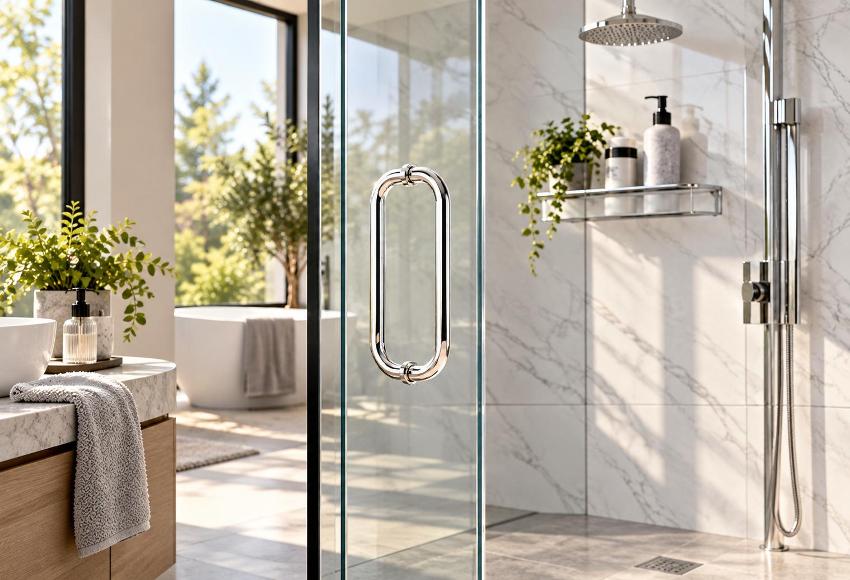
Stainless Steel Glass Door Lock: Engineering for Frameless Installations
09-10-2026
-

Why Do Shower Glass Door Hinges Fail and How to Prevent It?
18-03-2026 -

Do Framed Shower Door Hinges Rust Over Time and How Can You Prevent It?
17-03-2026 -

What Are the Best Shower Door Hinges for Glass-to-Glass Installations?
14-03-2026 -
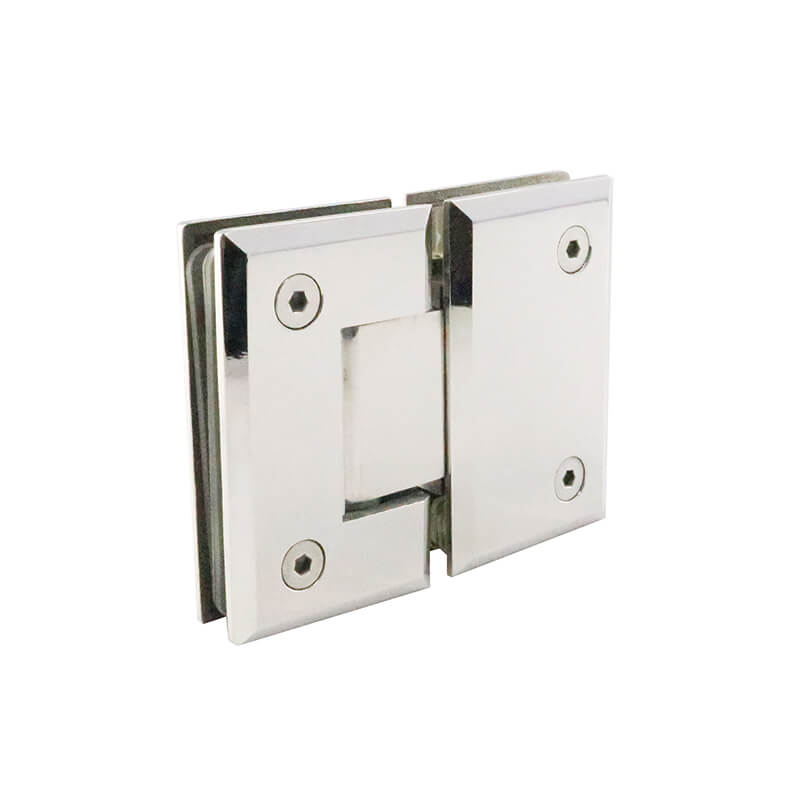
Why Do Some Frameless Glass Shower Door Hinges Fail and How to Prevent It?
13-03-2026 -

How Do Frameless Shower Screen Hinges Affect Durability and Safety?
12-03-2026

