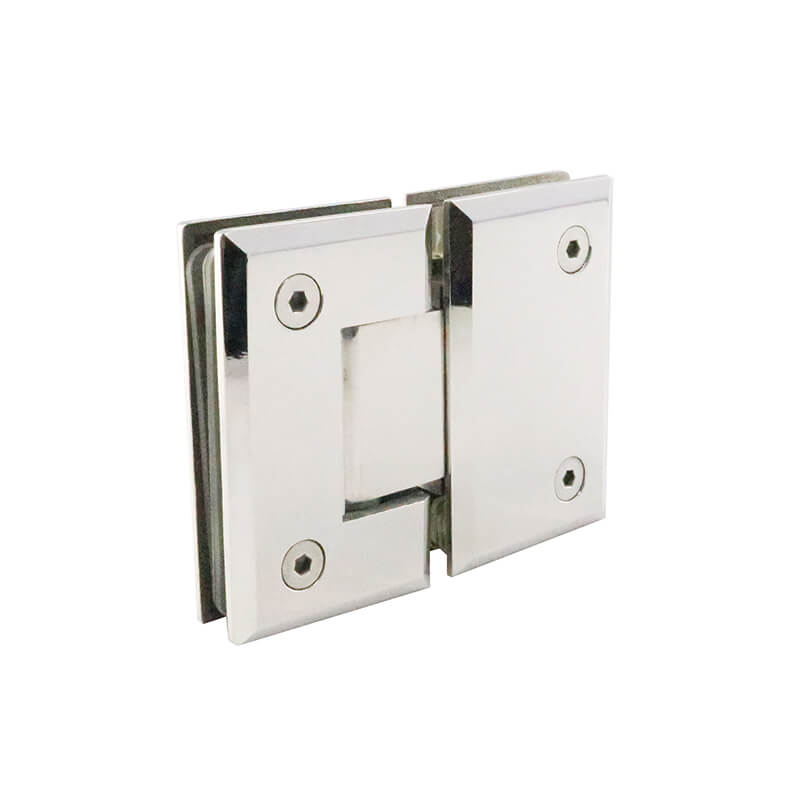
What You Need to Know About the Materials of Frameless Shower Clips
In the realm of bathroom design, the allure of frameless shower enclosures is undeniable. These sleek and modern fixtures embrace minimalism and create an illusion of spaciousness, transforming bathrooms into tranquil oases. However, behind the pristine glass panels lie a crucial element – the frameless shower clips that hold everything together.
Understanding the different materials used in these clips is paramount for ensuring the longevity and functionality of your shower enclosure. Here’s a comprehensive guide to help you navigate the materials maze:
Brass
Brass, an alloy of copper and zinc, is a classic choice for frameless shower clips. Its durability, corrosion resistance, and elegant finish make it a premium option. However, brass clips can be more expensive than other materials.
Stainless Steel
Stainless steel, an alloy of iron and chromium, is an excellent alternative to brass. It is highly durable, rust-resistant, and available in various grades and finishes. While stainless steel clips are generally less expensive than brass, they may require occasional cleaning to maintain their luster.
Nylon
Nylon, a synthetic polymer, offers the unique advantage of being virtually invisible. It is lightweight, durable, and can withstand moisture without deteriorating. Nylon clips are an excellent choice for those seeking a discreet and aesthetically pleasing solution.
Acrylic
Acrylic, a transparent plastic material, is a budget-friendly option for frameless shower clips. It is lightweight, easy to install, and can be molded into various shapes. However, acrylic clips are not as durable as brass or stainless steel and may scratch or discolor over time.
Choosing the Right Material
The choice of material for your frameless shower clips depends on your budget, aesthetic preferences, and the durability requirements of your bathroom. For premium durability and corrosion resistance, brass or stainless steel is recommended. If discretion and affordability are your priorities, nylon or acrylic may be suitable.
Additional Considerations
Beyond the material, other factors to consider when choosing frameless shower clips include:
Finish: Choose a finish that complements the style of your bathroom, from polished chrome to brushed nickel.
Load Capacity: Ensure the clips are sufficient to support the weight of your shower door.
Installation: Choose clips that are easy to install and maintain.
By understanding the different materials used in frameless shower clips, you can make an informed decision that ensures the aesthetic and functional harmony of your bathroom. Let your shower enclosure become a reflection of your own unique style and embrace the tranquility that only a well-crafted frameless design can bring.
-

How to Find Reliable Frameless Shower Door Pivot Hinge Suppliers?
16-03-2026 -

Glass Panel Hinge Maintenance: What Should You Do to Make It Last Longer?
06-03-2026 -
What Are the Different Types of Frameless Glass Hinges and Their Uses?
04-03-2026 -
Why Do Bathroom Glass Door Hinges Keep Rusting, and How Can You Prevent It?
28-02-2026 -
What to Look for When Buying Shower Screen Door Pivot Hinges?
27-02-2026


-
Why Do Shower Glass Door Hinges Fail and How to Prevent It?
18-03-2026 -
Do Framed Shower Door Hinges Rust Over Time and How Can You Prevent It?
17-03-2026 -
What Are the Best Shower Door Hinges for Glass-to-Glass Installations?
14-03-2026 -
Why Do Some Frameless Glass Shower Door Hinges Fail and How to Prevent It?
13-03-2026 -
How Do Frameless Shower Screen Hinges Affect Durability and Safety?
12-03-2026