Understanding the Price Range of Glass Center Locks: What Affects the Cost?
Glass center locks play a critical role in modern architectural and interior design. Widely used in glass doors, display cabinets, office partitions, and commercial storefronts, these locks combine functionality with aesthetics. However, if you have ever compared products on the market, you may have noticed that the price range for glass center locks can vary significantly—from budget-friendly options to premium, high-end solutions.
So what exactly drives these price differences? Understanding the factors behind the cost of glass center locks can help buyers, designers, and project managers make more informed decisions that balance security, durability, and budget.
1. Material Quality and Type
One of the most influential factors in the price of glass center locks is the material used in their construction.
Stainless Steel: Locks made from high-grade stainless steel (such as 304 or 316 stainless steel) are generally more expensive. They offer excellent corrosion resistance, strength, and longevity, making them ideal for high-humidity environments or heavy-use commercial spaces.
Zinc Alloy: Zinc alloy locks are more affordable and widely used in residential or light commercial applications. While they may not match stainless steel in long-term durability, modern zinc alloy locks can still provide reliable performance and attractive finishes.
Brass or Aluminum: Brass locks tend to sit in the mid-to-high price range due to their durability and premium feel, while aluminum options are typically lighter and more budget-friendly.
The better the raw material, the higher the manufacturing cost—and the higher the final product price.
2. Manufacturing Process and Precision
Not all glass center locks are created equal, even if they look similar at first glance. The manufacturing process has a direct impact on cost.
Locks produced with high-precision CNC machining , advanced casting techniques, and strict quality control standards typically cost more. These processes ensure smoother operation, tighter tolerances, and longer service life.
On the other hand, mass-produced locks with simpler manufacturing methods may be cheaper but can suffer from issues such as loose fittings, inconsistent performance, or shorter lifespan. For projects where reliability is critical, the added cost of precision manufacturing is often justified.
3. Locking Mechanism and Security Level
The complexity and security level of the locking mechanism significantly affect pricing.
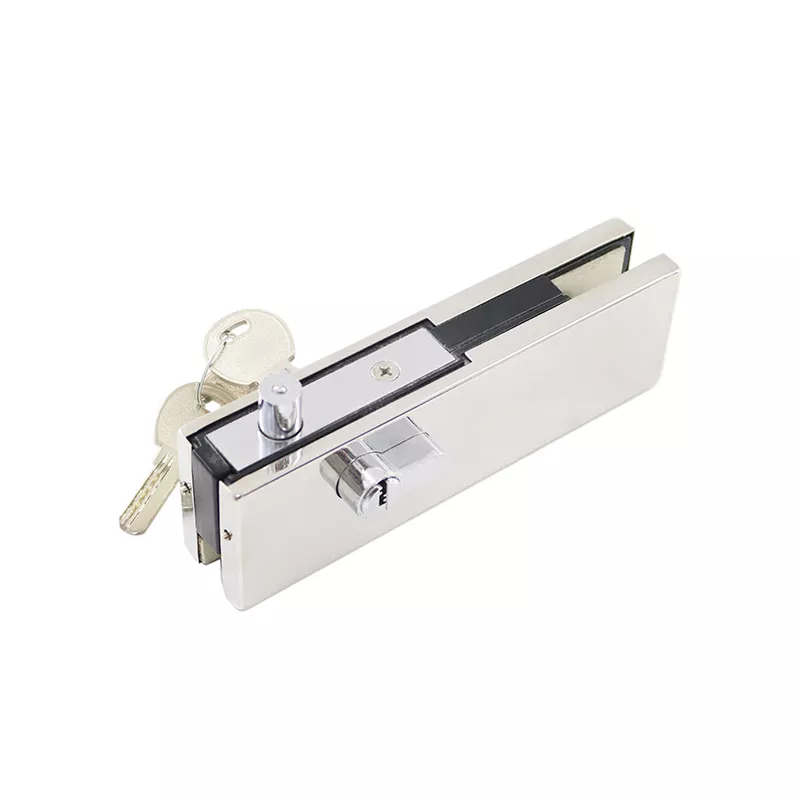
Basic Key Locks: Simple key-operated glass center locks are usually the most affordable option and suitable for display cabinets or low-security applications.
High-Security Cylinders: Locks with advanced cylinders, anti-pick features, or reinforced internal structures cost more due to their enhanced security.
Smart or Electronic Locks: In premium or modern commercial environments, glass center locks may integrate electronic or smart locking features. These solutions come with a much higher price tag because of embedded technology, sensors, and software integration.
Choosing the right security level is less about finding the cheapest option and more about matching the lock’s capability to the actual risk and usage scenario.
4. Surface Finish and Aesthetic Design
Glass center locks are often visible components, especially in glass doors and cabinets, which means appearance matters.
Standard finishes such as satin stainless steel or chrome are generally more affordable. However, custom or premium finishes—like matte black, brushed gold, rose gold, or PVD-coated surfaces—can significantly increase the cost.
Additionally, minimalist or designer lock profiles, unique shapes, and seamless integration with glass panels require more sophisticated design and tooling, all of which contribute to higher prices.
5. Compatibility with Glass Thickness and Type
Another factor influencing price is the lock’s compatibility with different glass specifications.
Locks designed to work with multiple glass thicknesses (for example, 8mm–12mm tempered glass) or specialized glass types often require adjustable components or reinforced structures. These added features increase both design complexity and manufacturing costs.
Cheaper locks may only support a narrow range of glass thicknesses, limiting their application and flexibility.
6. Installation Requirements and Accessories
Some glass center locks are designed for quick and simple installation, while others require more complex mounting systems.
Locks that include installation accessories , gaskets, drilling templates, or adjustment tools often cost more upfront but save time and labor during installation. For large projects, this convenience can translate into overall cost savings, even if the unit price is higher.
7. Brand Reputation and Quality Assurance
Brand value also plays an important role in pricing. Established manufacturers with strong reputations typically invest more in product testing, certifications, and after-sales support.
These brands often comply with international quality standards and provide consistent product performance, which naturally reflects in the price. While lesser-known brands may offer cheaper alternatives, they may lack long-term reliability or technical support.
8. Order Volume and Customization
Finally, pricing can vary depending on order quantity and customization needs. Bulk orders usually benefit from discounted pricing, while customized designs, special finishes, or branded packaging can increase the cost per unit.
For architects and contractors, working directly with manufacturers on large projects often helps optimize pricing without sacrificing quality.
Conclusion
The price range of glass center locks is shaped by a combination of material quality, manufacturing precision, security features, design aesthetics, compatibility, and brand reliability. Rather than focusing solely on cost, buyers should consider the lock’s intended application, usage frequency, and long-term performance. A well-chosen glass center lock not only enhances security but also contributes to the overall visual appeal and functionality of a space.
If you are exploring reliable and well-designed glass center lock solutions, Sateer offers a thoughtfully developed range that balances quality, durability, and modern design. You are welcome to explore the Sateer glass center lock series to find options that suit both your project requirements and aesthetic vision.
-

How to Find Reliable Frameless Shower Door Pivot Hinge Suppliers?
16-03-2026 -

Glass Panel Hinge Maintenance: What Should You Do to Make It Last Longer?
06-03-2026 -
What Are the Different Types of Frameless Glass Hinges and Their Uses?
04-03-2026 -
Why Do Bathroom Glass Door Hinges Keep Rusting, and How Can You Prevent It?
28-02-2026 -
What to Look for When Buying Shower Screen Door Pivot Hinges?
27-02-2026


-
Why Do Shower Glass Door Hinges Fail and How to Prevent It?
18-03-2026 -
Do Framed Shower Door Hinges Rust Over Time and How Can You Prevent It?
17-03-2026 -
What Are the Best Shower Door Hinges for Glass-to-Glass Installations?
14-03-2026 -
Why Do Some Frameless Glass Shower Door Hinges Fail and How to Prevent It?
13-03-2026 -
How Do Frameless Shower Screen Hinges Affect Durability and Safety?
12-03-2026