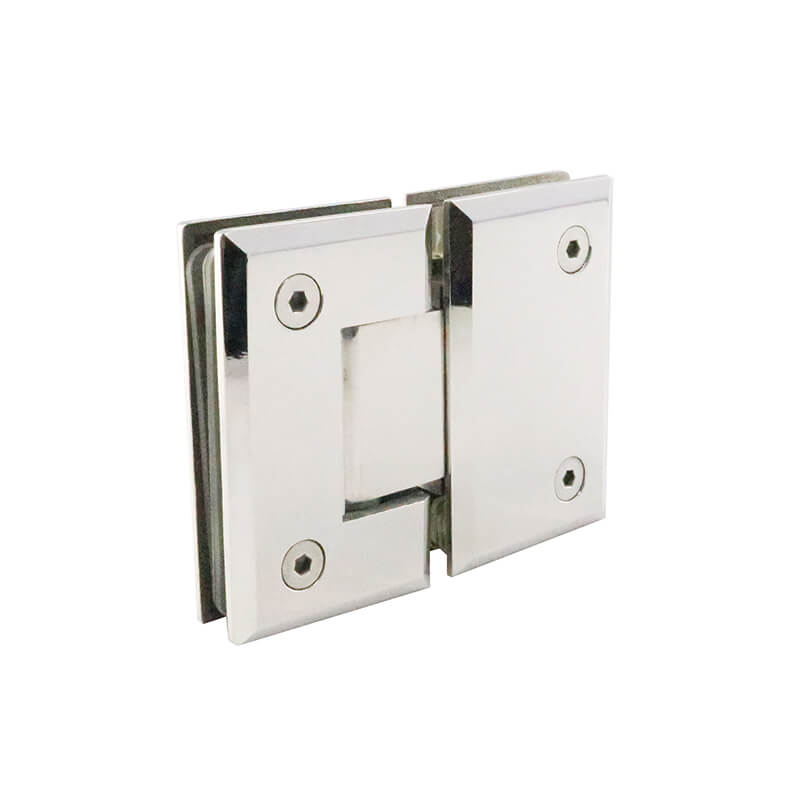
The matching principle of shower door clamp hinge and shower door glass
The Matching Principle of Shower Door Clamp Hinge and Shower Door Glass
The matching principle of shower door clamp hinge and shower door glass plays a paramount role in ensuring the proper functioning and longevity of a shower enclosure. This comprehensive guide addresses the critical aspects to consider when selecting and installing these components, taking into account material compatibility, size specifications, and adjustment mechanisms.
Material Compatibility
Shower door clamp hinges are typically constructed from durable materials such as stainless steel or brass to withstand the harsh conditions of a bathroom environment. These materials resist corrosion and rust, ensuring a long-lasting and aesthetically pleasing appearance. Similarly, shower door glass should be tempered for added strength and safety. Tempered glass is heat-treated to create a resilient surface that is less likely to break or shatter under impact.
Size Specifications
The size and load capacity of the shower door clamp hinge must be appropriate for the weight and dimensions of the shower door glass. Smaller hinges are suitable for lightweight glass panels, while larger hinges are designed to support heavier doors. It is crucial to verify the hinge’s weight-bearing capacity before installing the shower door to prevent sagging or damage.
Adjustment Mechanisms
Most shower door clamp hinges feature adjustable mechanisms that allow for fine-tuning the door’s alignment and fit. Vertical adjustments adjust the door’s height, ensuring a seamless connection with the shower base or threshold. Horizontal adjustments correct lateral misalignments, preventing the door from rubbing against the frame or causing water leakage. Additionally, some hinges offer a built-in self-closing mechanism, eliminating the need for separate door closers.
Installation Tips
To achieve proper installation of a shower door clamp hinge and shower door glass, it is essential to follow these steps:
1. Measure and mark the drilling locations for the hinge holes.
2. Use a drill bit specifically designed for glass to create clean and precise holes.
3. Install the glass mounting brackets and tighten the screws securely.
4. Attach the clamp hinge to the glass and adjust the screws to ensure the door hangs plumb.
5. Make necessary adjustments to the hinge’s vertical and horizontal levels.
6. Test the door’s movement and make further adjustments as needed.
Conclusion
The matching principle of shower door clamp hinge and shower door glass involves careful consideration of material compatibility, size specifications, and adjustment mechanisms. By adhering to these principles and following the proper installation steps, you can ensure a properly functioning and attractive shower enclosure that will provide years of trouble-free use.
-

How to Find Reliable Frameless Shower Door Pivot Hinge Suppliers?
16-03-2026 -

Glass Panel Hinge Maintenance: What Should You Do to Make It Last Longer?
06-03-2026 -
What Are the Different Types of Frameless Glass Hinges and Their Uses?
04-03-2026 -
Why Do Bathroom Glass Door Hinges Keep Rusting, and How Can You Prevent It?
28-02-2026 -
What to Look for When Buying Shower Screen Door Pivot Hinges?
27-02-2026


-
Why Do Shower Glass Door Hinges Fail and How to Prevent It?
18-03-2026 -
Do Framed Shower Door Hinges Rust Over Time and How Can You Prevent It?
17-03-2026 -
What Are the Best Shower Door Hinges for Glass-to-Glass Installations?
14-03-2026 -
Why Do Some Frameless Glass Shower Door Hinges Fail and How to Prevent It?
13-03-2026 -
How Do Frameless Shower Screen Hinges Affect Durability and Safety?
12-03-2026