Clamp vs Channel: How to Choose the Right Shower Glass Bracket
The pursuit of a perfect frameless shower enclosure hinges on decisions that blend aesthetics with engineering. The choice of shower glass brackets—the critical components securing the glass to your walls—is paramount. While often overlooked, this choice fundamentally influences the enclosure’s visual appeal, structural integrity, and long-term maintenance. The two predominant systems are Clamp Brackets and Channel Brackets, each offering a distinct set of advantages.
Understanding the core characteristics of each system is essential for making a selection that aligns with your design vision and practical requirements.

The Modernist’s Choice: Clamp Brackets
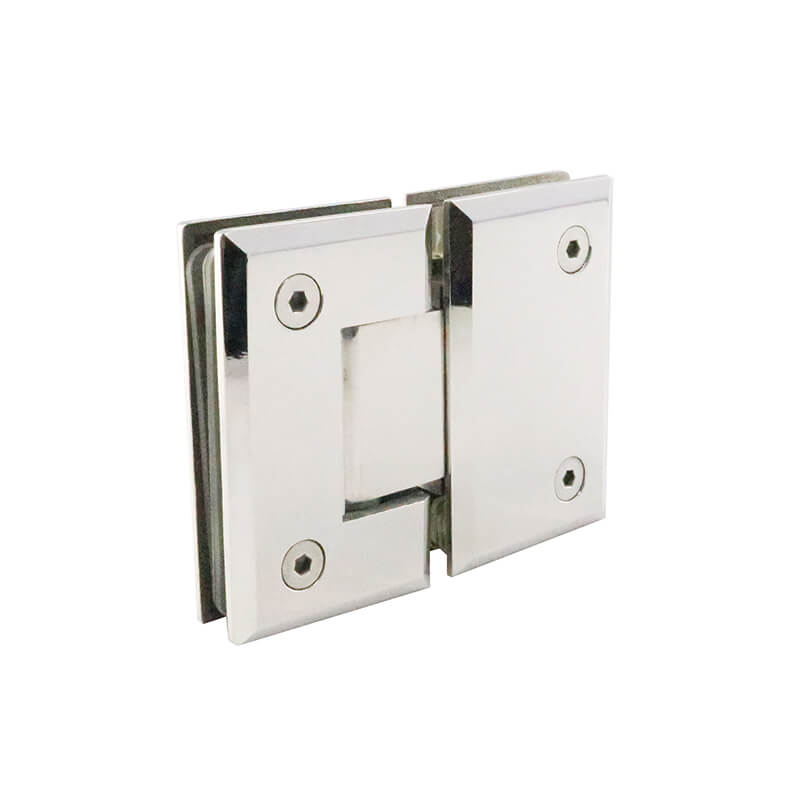
Clamp brackets, also known as patch fittings or stand-off brackets, are the epitome of contemporary design. These discrete metal fixtures secure the glass by clamping it from both sides with minimal hardware, creating a clean, “floating” effect that allows the top and bottom edges of the glass to remain fully visible.
This system is distinguished by its maximized visual lightness. By reducing hardware to a minimum, it ensures the glass itself remains the focal point, unobstructed by prominent metal framing. This makes it the definitive choice for achieving a high-end, minimalist aesthetic.
From a practical standpoint, clamp brackets offer a degree of installation flexibility, as they can be more forgiving of minor wall imperfections. However, this is balanced by a critical requirement for precision. The mounting points on the wall and the corresponding holes in the tempered glass must be drilled with exacting accuracy to ensure perfect alignment. While this can contribute to a higher initial cost due to custom fabrication, the result is a sleek appearance and relatively straightforward access for cleaning the glass edges.
The Structuralist’s Solution: Channel Brackets
In contrast, channel brackets—often called U-channels or J-moldings—provide a robust and continuous support system. This method involves a long metal track fixed to the wall and floor, into which the edge of the glass panel is securely seated.
The primary strength of the channel system lies in its superior structural support. By cradling the entire edge of the glass, it delivers exceptional rigidity and stability. This makes it an ideal solution for very large, heavy shower panels or high-traffic family bathrooms where maximum durability is a priority.
Installation of channel brackets is often more straightforward in terms of alignment, as the continuous track eliminates the need for multiple precise hole placements. Once the channel is leveled and secured, the glass is slid into place. A notable practical consideration, however, is maintenance. The channel can potentially trap moisture, soap scum, and debris over time, requiring more diligent cleaning to prevent buildup. Aesthetically, the visible metal runner provides a more pronounced, structured look that defines a robust, industrial-inspired style.
Guidelines for Selection
The decision between clamp and channel brackets is not a matter of superiority, but rather suitability. Your choice should be guided by the primary goals for your bathroom project.
Clamp brackets are the recommended path when the highest priority is a sleek, modern aesthetic. If your design vision centers on creating a showcase bathroom where the purity of the glass and a floating effect are paramount, this system is the optimal choice. It is particularly well-suited for custom glass work where the polished edges are intended to be a visible feature.
Conversely, channel brackets present the most advantageous solution when uncompromising stability and straightforward installation are the dominant concerns. For expansive shower enclosures, heavy glass doors, or environments where long-term structural resilience is the foremost priority, the continuous support offered by a channel system is unparalleled.
Before finalizing your decision, a consultation with a professional glass fabricator or installer is highly recommended. Their expertise can provide valuable insight based on your specific glass thickness, enclosure layout, and wall conditions, ensuring your chosen bracket system delivers both beauty and enduring performance.
-

How to Find Reliable Frameless Shower Door Pivot Hinge Suppliers?
16-03-2026 -

Glass Panel Hinge Maintenance: What Should You Do to Make It Last Longer?
06-03-2026 -
What Are the Different Types of Frameless Glass Hinges and Their Uses?
04-03-2026 -
Why Do Bathroom Glass Door Hinges Keep Rusting, and How Can You Prevent It?
28-02-2026 -
What to Look for When Buying Shower Screen Door Pivot Hinges?
27-02-2026


-
Why Do Shower Glass Door Hinges Fail and How to Prevent It?
18-03-2026 -
Do Framed Shower Door Hinges Rust Over Time and How Can You Prevent It?
17-03-2026 -
What Are the Best Shower Door Hinges for Glass-to-Glass Installations?
14-03-2026 -
Why Do Some Frameless Glass Shower Door Hinges Fail and How to Prevent It?
13-03-2026 -
How Do Frameless Shower Screen Hinges Affect Durability and Safety?
12-03-2026