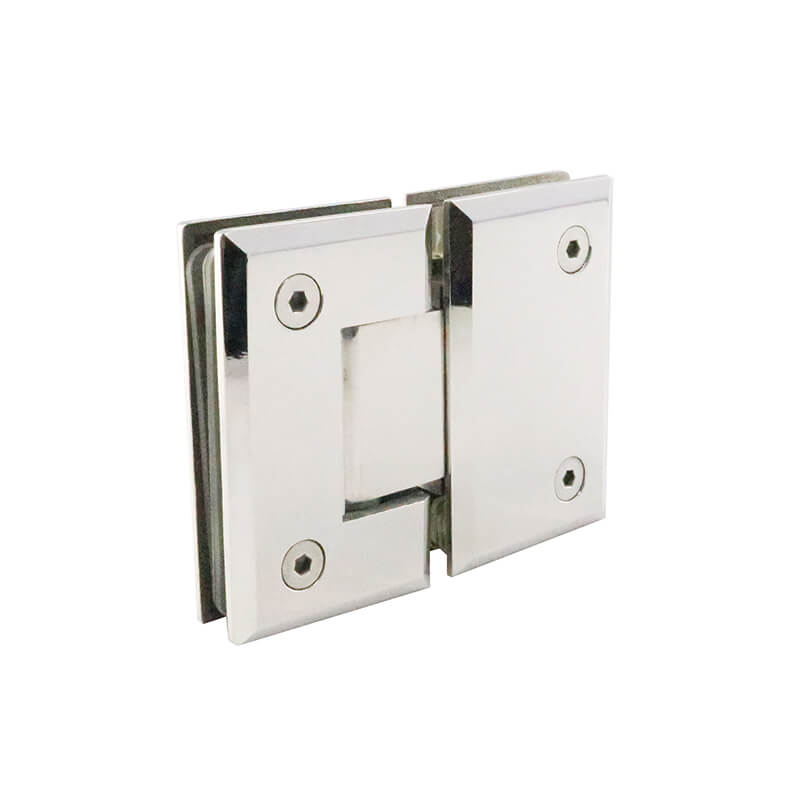
Safety and Stability- Providing Support and Security with Reliable Clips
In today’s construction industry, ensuring safety and stability is paramount. Reliable clips play a crucial role in achieving these objectives, providing essential support and security for various structures and applications.
Ensuring Structural Integrity
Clips are essential for maintaining structural integrity, preventing components from becoming dislodged or collapsing. They provide a secure connection between different structural elements, such as beams, columns, and panels. By locking components together, clips prevent excessive movement or vibrations, ensuring the overall stability of the structure.
Preventing Displacements
In addition to preventing structural failures, clips also protect against displacements and misalignments. This is particularly important in areas prone to seismic activity or high winds, where structures must withstand significant forces. By securely holding components in place, clips minimize the risk of damage or injury due to shifting or falling objects.
Facilitating Electrical and Mechanical Systems
Clips are not limited to structural applications but also play a vital role in supporting and organizing electrical and mechanical systems. They provide a convenient method for routing wires, cables, and pipes, ensuring a neat and orderly installation. Clips keep systems in place, preventing tangles, damage, and potential safety hazards.
Enhancing Aesthetics
Besides their functional benefits, clips can also contribute to the overall aesthetics of a structure. Discreet and customizable clips blend seamlessly into the surrounding environment, enhancing the visual appeal of the design. By eliminating unsightly cables and wires, clips create a clean and polished appearance.
Types of Clips
A wide variety of clips are available to suit specific requirements. Some common types include:
– Beam clips: Secure beams to columns or other structural elements.
– Panel clips: Connect panels to frames or supports.
– Spring clips: Provide tension and hold components together.
– Pipe clips: Support and organize piping systems.
Each type of clip is designed with specific features and materials to meet the unique demands of different applications.
Conclusion
Reliable clips are indispensable tools for ensuring safety and stability in various construction projects. They provide essential support for structural integrity, prevent displacements, facilitate electrical and mechanical systems, enhance aesthetics, and come in a range of types to meet diverse requirements. By utilizing high-quality clips, architects, engineers, and contractors can create structures that are both safe and secure, fostering a sense of trust and well-being for occupants.
-

SS Handle for Glass Door: Engineering Precision Behind a Simple Pull
13-10-2026 -
Double Swing Glass Door Lock: Hardware Selection for Commercial and Residential Installations
12-10-2026 -
Frameless Glass Door Lock: Engineering Precision for Modern Access Control
11-10-2026 -
Frameless Shower Door Clips: Hardware That Holds the Line Between Function and Failure
10-10-2026 -
Stainless Steel Glass Door Lock: Engineering for Frameless Installations
09-10-2026
-

Why Do Shower Glass Door Hinges Fail and How to Prevent It?
18-03-2026 -

Do Framed Shower Door Hinges Rust Over Time and How Can You Prevent It?
17-03-2026 -
What Are the Best Shower Door Hinges for Glass-to-Glass Installations?
14-03-2026 -
Why Do Some Frameless Glass Shower Door Hinges Fail and How to Prevent It?
13-03-2026 -
How Do Frameless Shower Screen Hinges Affect Durability and Safety?
12-03-2026