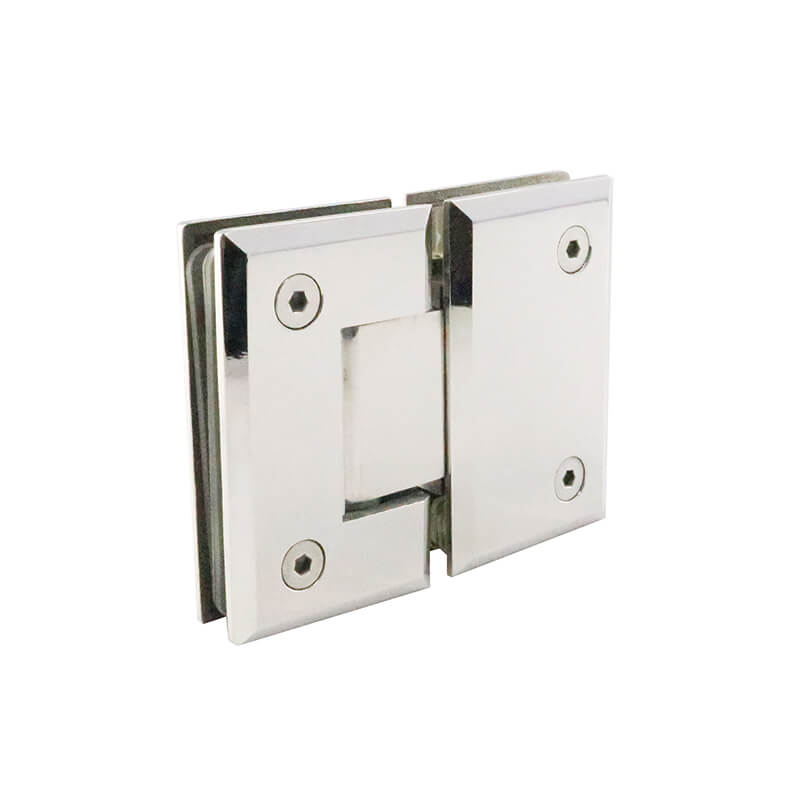
Preventing Rust and Corrosion on Sliding Shower Door Clips
Preventing Rust and Corrosion on Sliding Shower Door Clips: A Battle Against the Corrosive Forces
In the realm of bathrooms, the battle against rust and corrosion rages relentlessly, threatening to tarnish the gleaming surfaces of sliding shower doors. Shower door clips, the unsung heroes that hold these doors in place, often bear the brunt of this corrosive onslaught. But fear not, for there are valiant measures you can take to protect these vital components from succumbing to the ravages of time.
The Bane of Rust: A Chemical Nemesis
Rust, the malevolent villain in this tale, is an iron oxide that forms when iron comes into contact with oxygen and moisture. In the humid environment of a shower, these elements are ever-present, creating a perfect breeding ground for this destructive force. Rust not only tarnishes the appearance of your shower door clips, but it can also weaken them, compromising their ability to securely hold the door in place.
Corrosion’s Treacherous Embrace: A Subtle Assault
Corrosion, another formidable foe, occurs when metals interact with other substances in the air or water. These substances can cause the metal to break down, leading to pitting and weakening. In the case of sliding shower door clips, exposure to acidic cleaners or harsh water can accelerate corrosion, stealthily undermining their integrity.
A Three-Pronged Approach to Victory
To safeguard your shower door clips against the insidious forces of rust and corrosion, a multifaceted approach is essential:
1. Regular Cleaning: Regular cleaning with a mild, non-abrasive cleaner will remove dirt and grime that can trap moisture and promote corrosion. Use a soft cloth and avoid using harsh chemicals or abrasive sponges that could damage the clips.
2. Drying Thoroughly: After each shower, take the time to wipe down the shower door clips with a dry cloth. This will prevent water from lingering on the clips and help to inhibit the formation of rust and corrosion.
3. Protective Coatings: Applying a protective coating, such as a clear acrylic spray or a wax-based sealant, can create a barrier that guards against moisture and other corrosive elements. Reapply the coating as needed to maintain its effectiveness.
By implementing these preventive measures, you can bolster the defenses of your sliding shower door clips, extending their lifespan and ensuring that they continue to perform their duty without succumbing to the relentless onslaught of rust and corrosion.
-

How to Find Reliable Frameless Shower Door Pivot Hinge Suppliers?
16-03-2026 -

Glass Panel Hinge Maintenance: What Should You Do to Make It Last Longer?
06-03-2026 -
What Are the Different Types of Frameless Glass Hinges and Their Uses?
04-03-2026 -
Why Do Bathroom Glass Door Hinges Keep Rusting, and How Can You Prevent It?
28-02-2026 -
What to Look for When Buying Shower Screen Door Pivot Hinges?
27-02-2026


-
Why Do Shower Glass Door Hinges Fail and How to Prevent It?
18-03-2026 -
Do Framed Shower Door Hinges Rust Over Time and How Can You Prevent It?
17-03-2026 -
What Are the Best Shower Door Hinges for Glass-to-Glass Installations?
14-03-2026 -
Why Do Some Frameless Glass Shower Door Hinges Fail and How to Prevent It?
13-03-2026 -
How Do Frameless Shower Screen Hinges Affect Durability and Safety?
12-03-2026