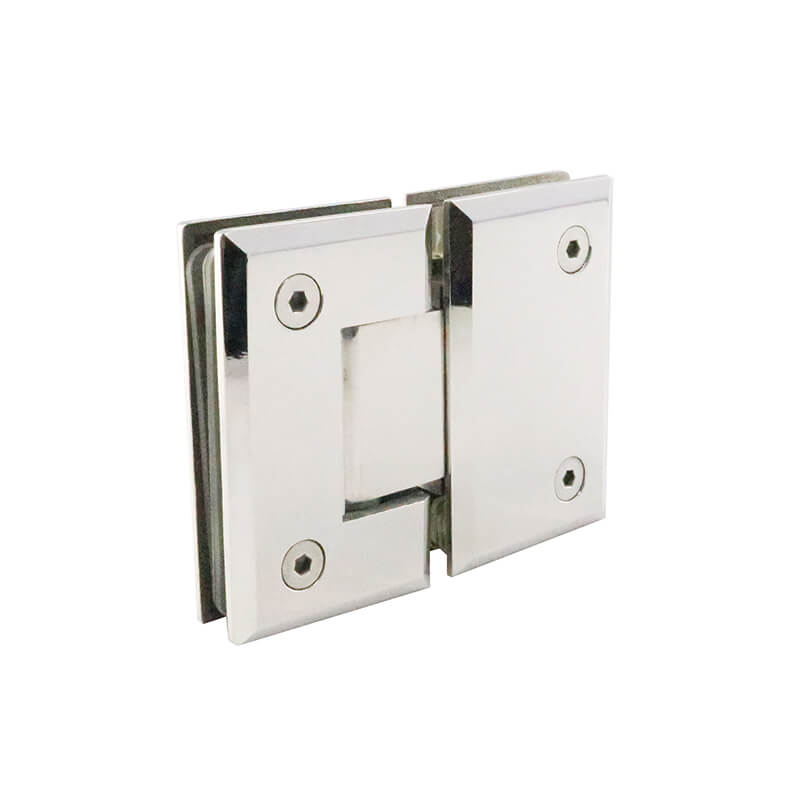
How to Choose Frameless Shower Clamps for Different Shower Types
In the realm of shower design, the evolution of frameless showers has been a transformative revelation. Their unparalleled aesthetic allure, spaciousness, and ease of maintenance have captivated homeowners seeking a luxurious and modern bathing experience. However, the seamless transition between the glass panels hinges on the judicious selection of the right frameless shower clamps.
Understanding the Role of Shower Clamps
Frameless shower clamps are the unsung heroes that discreetly hold the glass panels in place, ensuring their structural integrity and preventing water leakage. These fittings play a pivotal role in maintaining the watertight seal of your shower enclosure, preventing any unwelcome escapades of cascading water.
Choosing Clamps for Different Shower Types
The choice of frameless shower clamps depends on the specific type of shower you intend to install.
Neo-Angle Showers: These showers feature glass panels that meet at a 135-degree angle. They require clamps that are designed to accommodate such angles, ensuring a secure and watertight fit.
Round Showers: As the name suggests, these showers have a curved design. The clamps for round showers must be able to follow the curvature of the glass, providing ample support and preventing any bowing or flex.
Walk-In Showers: Walk-in showers are open on one side, allowing for easy access. The clamps used in these showers must be robust enough to support the full weight of the glass panels, especially when the enclosure is exposed to the open air.
Factors to Consider
In addition to the type of shower, consider the following factors when choosing frameless shower clamps:
Material: Clamps can be made of various materials, such as stainless steel, brass, or aluminum. Stainless steel is a popular choice for its durability and rust resistance.
Finish: The finish of the clamps should match or complement the hardware of your shower fixtures, ensuring a cohesive aesthetic.
Strength: Ensure that the clamps have a load-bearing capacity that exceeds the weight of the glass panels they will support.
Adjustability: Clamps with adjustable screws allow for fine-tuning the alignment and leveling of the glass panels.
Tips for Installation
Always follow the manufacturer’s instructions for proper installation.
Use a level to ensure accurate alignment of the glass panels.
Tighten the screws securely, but avoid overtightening.
Regularly inspect the clamps for any signs of wear or damage.
By adhering to these guidelines, you can select the optimal frameless shower clamps for your specific shower type, ensuring a secure, watertight, and visually stunning bathing oasis.
-

How to Find Reliable Frameless Shower Door Pivot Hinge Suppliers?
16-03-2026 -

Glass Panel Hinge Maintenance: What Should You Do to Make It Last Longer?
06-03-2026 -
What Are the Different Types of Frameless Glass Hinges and Their Uses?
04-03-2026 -
Why Do Bathroom Glass Door Hinges Keep Rusting, and How Can You Prevent It?
28-02-2026 -
What to Look for When Buying Shower Screen Door Pivot Hinges?
27-02-2026


-
Why Do Shower Glass Door Hinges Fail and How to Prevent It?
18-03-2026 -
Do Framed Shower Door Hinges Rust Over Time and How Can You Prevent It?
17-03-2026 -
What Are the Best Shower Door Hinges for Glass-to-Glass Installations?
14-03-2026 -
Why Do Some Frameless Glass Shower Door Hinges Fail and How to Prevent It?
13-03-2026 -
How Do Frameless Shower Screen Hinges Affect Durability and Safety?
12-03-2026