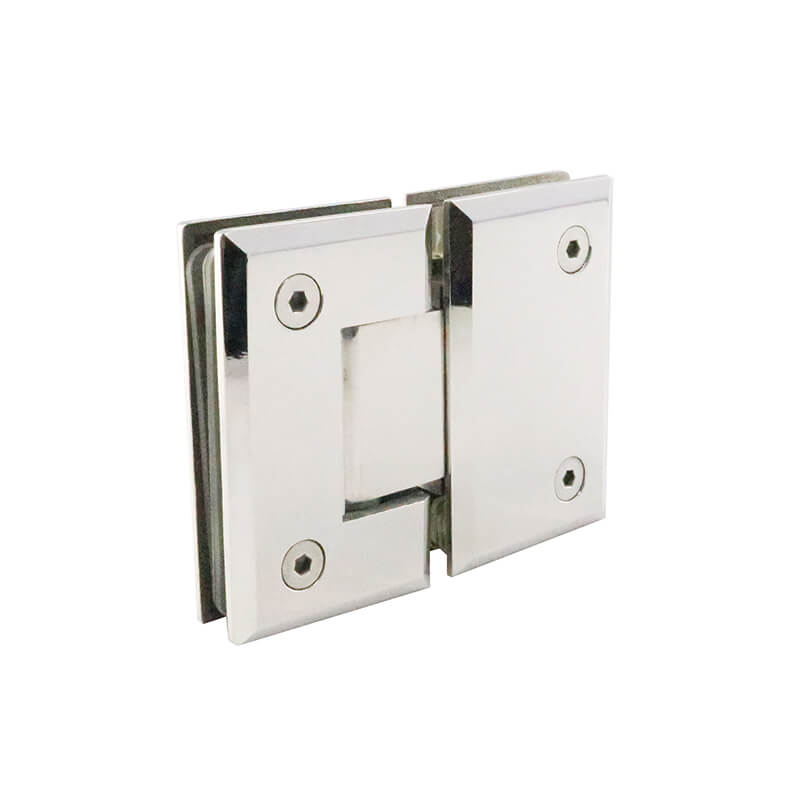
Ergonomic Access- Improving User Experience with Well-Designed Hinges
Introduction:
In the realm of human-computer interaction, the pursuit of seamless and comfortable user experiences reigns supreme. Hinges, often overlooked yet indispensable components, play a pivotal role in achieving this sought-after synergy.
Ergonomic Considerations:
When designing hinges for user interfaces, ergonomic principles must take center stage. Hinges should allow for effortless opening and closing while minimizing strain on the user’s hands and wrists. By ensuring that hinges move smoothly and with minimal friction, the user experience becomes more fluid and enjoyable.
Material Selection and Durability:
The choice of materials used in hinge construction directly impacts their durability and functionality. High-quality materials, such as stainless steel or hardened plastics, guarantee longevity and resistance to wear and tear. Hinges that withstand heavy usage without compromising performance provide a reliable and lasting user experience.
Adjustable Hinges:
Adjustable hinges offer the ultimate flexibility, empowering users to customize the position and angle of their devices to suit their specific needs. This flexibility accommodates various body types and postures, reducing the risk of discomfort or strain.
Aesthetic Integration:
While functionality takes precedence, the aesthetic appeal of hinges cannot be ignored. Hinges that complement the overall design of the device contribute to a cohesive and visually pleasing user experience. Designers can incorporate hinges as subtle accents or make them the focal point, depending on the device’s intended use.
User Feedback and Testing:
User feedback is invaluable in refining hinge designs. Conducting thorough user testing helps designers identify potential ergonomic issues and make improvements accordingly. By involving actual users in the design process, manufacturers can ensure that hinges deliver an optimal user experience.
Conclusion:
Well-designed hinges are essential for enhancing user experience by providing ergonomic access. By considering factors such as material selection, adjustability, durability, and aesthetics, designers can create hinges that facilitate seamless interactions, minimize strain, and contribute to overall user satisfaction.
-

How to Find Reliable Frameless Shower Door Pivot Hinge Suppliers?
16-03-2026 -

Glass Panel Hinge Maintenance: What Should You Do to Make It Last Longer?
06-03-2026 -
What Are the Different Types of Frameless Glass Hinges and Their Uses?
04-03-2026 -
Why Do Bathroom Glass Door Hinges Keep Rusting, and How Can You Prevent It?
28-02-2026 -
What to Look for When Buying Shower Screen Door Pivot Hinges?
27-02-2026


-
Why Do Shower Glass Door Hinges Fail and How to Prevent It?
18-03-2026 -
Do Framed Shower Door Hinges Rust Over Time and How Can You Prevent It?
17-03-2026 -
What Are the Best Shower Door Hinges for Glass-to-Glass Installations?
14-03-2026 -
Why Do Some Frameless Glass Shower Door Hinges Fail and How to Prevent It?
13-03-2026 -
How Do Frameless Shower Screen Hinges Affect Durability and Safety?
12-03-2026