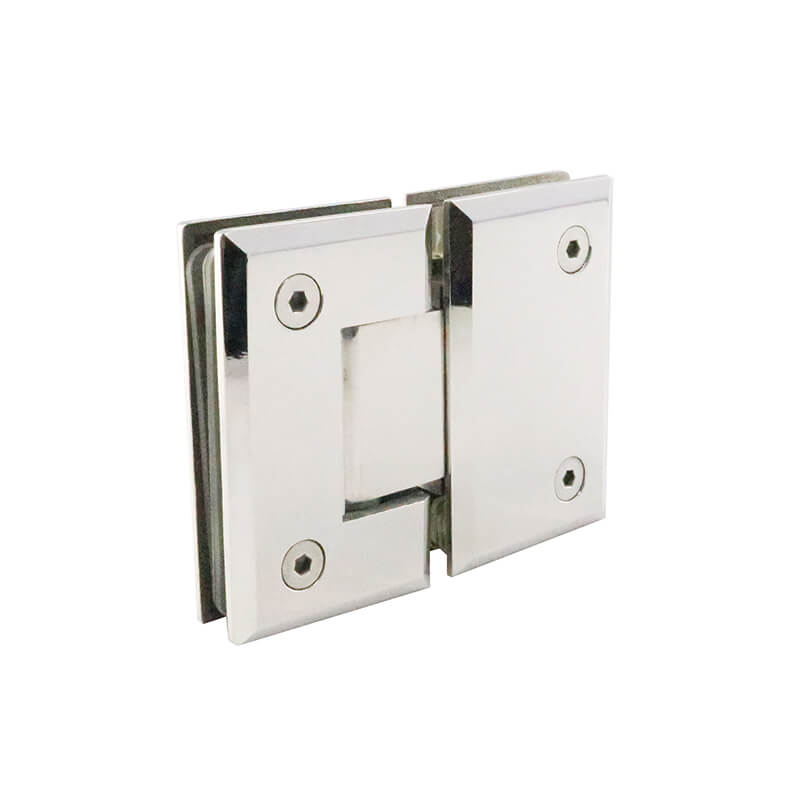
Common Problems with Shower Glass Clips and How to Fix Them
Shower glass clips play a vital role in securing shower doors and ensuring they operate smoothly. However, these clips can occasionally malfunction or experience issues, leading to various problems. This article will delve into the most common issues associated with shower glass clips and provide practical solutions for resolving them.
Loose Clips
One of the most prevalent problems with shower glass clips is when they become loose. This can cause the shower door to wobble or shift, compromising its stability. Loose clips often result from frequent use, improper installation, or wear and tear over time.
To tighten loose clips, begin by identifying the ones causing the issue. Use a screwdriver to turn the adjustment screw clockwise until the clip is snug against the glass. Avoid overtightening, as this can crack the glass. If the adjustment screw is stripped or damaged, it may need replacement.
Broken Clips
Broken clips are another common problem that can occur due to excessive force or accidental impact. When a clip is broken, it can no longer provide adequate support to the shower door, posing a safety hazard.
To replace a broken clip, first remove the damaged one by unscrewing it from the glass. Clean the surface where the new clip will be installed. Apply a small amount of silicone caulk to the base of the new clip and press it firmly into place. Allow the caulk to dry completely before using the shower.
Leaking Clips
Shower glass clips can also develop leaks, allowing water to seep from the shower enclosure. Leaks typically occur when the seal between the clip and the glass is compromised.
To fix a leaking clip, inspect the seal for any gaps or tears. If the seal is damaged, it should be replaced. Apply a thin bead of silicone caulk around the base of the clip and allow it to dry completely. Ensure that the shower is thoroughly cleaned and dried before use to prevent further leaks.
Sticking Clips
Shower glass clips can become stuck due to dirt, mineral deposits, or rust. This can make it difficult to adjust or remove the clips.
To loosen stuck clips, apply a penetrating oil to the adjustment screw. Let the oil sit for a few minutes to penetrate the corrosion. Use a screwdriver to gently loosen the screw and free the clip. If the clip is still stuck, try tapping it with a rubber mallet to break it loose.
Rusting Clips
Shower glass clips made of metal are prone to rusting, especially in humid environments. Rust can weaken the clip and compromise its integrity.
To prevent rusting, opt for clips made from stainless steel or other corrosion-resistant materials. Regularly clean and dry the clips to remove moisture and buildup. If rust does develop, use a wire brush to gently remove it and apply a rust-inhibiting coating to prevent further corrosion.
-

How to Find Reliable Frameless Shower Door Pivot Hinge Suppliers?
16-03-2026 -

Glass Panel Hinge Maintenance: What Should You Do to Make It Last Longer?
06-03-2026 -
What Are the Different Types of Frameless Glass Hinges and Their Uses?
04-03-2026 -
Why Do Bathroom Glass Door Hinges Keep Rusting, and How Can You Prevent It?
28-02-2026 -
What to Look for When Buying Shower Screen Door Pivot Hinges?
27-02-2026


-
Why Do Shower Glass Door Hinges Fail and How to Prevent It?
18-03-2026 -
Do Framed Shower Door Hinges Rust Over Time and How Can You Prevent It?
17-03-2026 -
What Are the Best Shower Door Hinges for Glass-to-Glass Installations?
14-03-2026 -
Why Do Some Frameless Glass Shower Door Hinges Fail and How to Prevent It?
13-03-2026 -
How Do Frameless Shower Screen Hinges Affect Durability and Safety?
12-03-2026