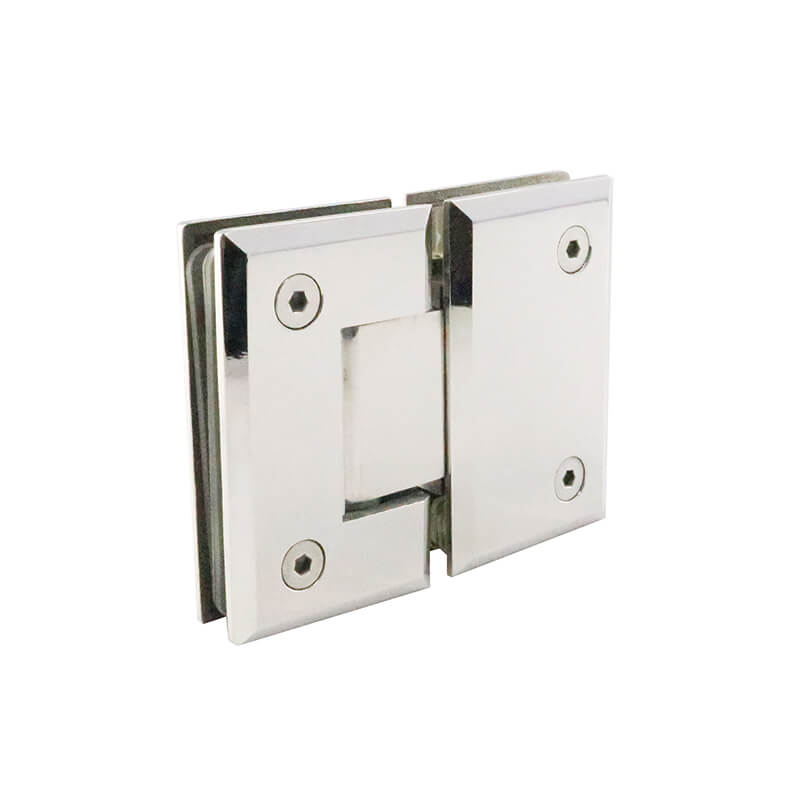
A Comprehensive Guide to Bathroom Glass Door Hinges
Bathroom Glass Door Hinges: A Comprehensive Guide
A Comprehensive Guide to Bathroom Glass Door Hinges is an extensive resource that provides detailed information on various types of glass door hinges used in bathroom environments. This guide offers a thorough understanding of the different materials, designs, and functions of these hinges, empowering readers to make informed choices for their bathroom projects.
Types of Bathroom Glass Door Hinges
Pivot Hinges
Pivot hinges allow glass doors to rotate on a single pin or shaft. They offer a sleek and modern look, with the door appearing to pivot around a central point. Pivot hinges are typically concealed within the door’s frame, creating a seamless transition between the door and the wall.
Patch Fittings
Patch fittings are surface-mounted hinges that provide support and stability to glass doors. They are commonly used in frameless shower enclosures, where the glass panels are supported only by the hinges and hardware. Patch fittings come in a variety of finishes and sizes, allowing for customization to match the bathroom decor.
Glass-to-Glass Hinges
Glass-to-glass hinges connect two glass panels together, eliminating the need for a door frame. They offer a minimalist aesthetic and create a spacious feel within the bathroom. Glass-to-glass hinges are available in various designs, including straight, offset, and 90-degree hinges.
Material Options
Stainless Steel
Stainless steel is a popular material for bathroom glass door hinges due to its durability and corrosion resistance. It is highly resistant to rust and tarnishing, making it suitable for humid bathroom environments.
Brass
Brass provides a warm and elegant touch to bathroom glass door hinges. It is a durable material that can withstand everyday use. However, brass hinges require more frequent cleaning to maintain their appearance.
Aluminum
Aluminum hinges are lightweight and affordable, making them a practical choice for budget-friendly bathroom renovations. Aluminum is also corrosion-resistant, although it may not be as durable as stainless steel or brass.
Functionalities
Soft-Close Hinges
Soft-close hinges prevent glass doors from slamming closed, reducing noise and protecting the door from damage. They utilize a hydraulic mechanism to gently slow down the closing motion.
Self-Centering Hinges
Self-centering hinges automatically align the door in a closed position, ensuring a secure and consistent closure. This feature is particularly beneficial for glass shower doors, where it prevents the door from swinging open accidentally.
Reversible Hinges
Reversible hinges allow glass doors to be installed on either the left or right side of the doorway. This flexibility simplifies the installation process and makes it easier to adapt to different bathroom layouts.
In conclusion, A Comprehensive Guide to Bathroom Glass Door Hinges provides a comprehensive overview of the various types, materials, and functionalities of these essential hardware components. This guide empowers readers to select the most suitable hinges for their bathroom projects, ensuring a seamless and stylish integration of their glass doors.
-

How to Find Reliable Frameless Shower Door Pivot Hinge Suppliers?
16-03-2026 -

Glass Panel Hinge Maintenance: What Should You Do to Make It Last Longer?
06-03-2026 -
What Are the Different Types of Frameless Glass Hinges and Their Uses?
04-03-2026 -
Why Do Bathroom Glass Door Hinges Keep Rusting, and How Can You Prevent It?
28-02-2026 -
What to Look for When Buying Shower Screen Door Pivot Hinges?
27-02-2026


-
Why Do Shower Glass Door Hinges Fail and How to Prevent It?
18-03-2026 -
Do Framed Shower Door Hinges Rust Over Time and How Can You Prevent It?
17-03-2026 -
What Are the Best Shower Door Hinges for Glass-to-Glass Installations?
14-03-2026 -
Why Do Some Frameless Glass Shower Door Hinges Fail and How to Prevent It?
13-03-2026 -
How Do Frameless Shower Screen Hinges Affect Durability and Safety?
12-03-2026