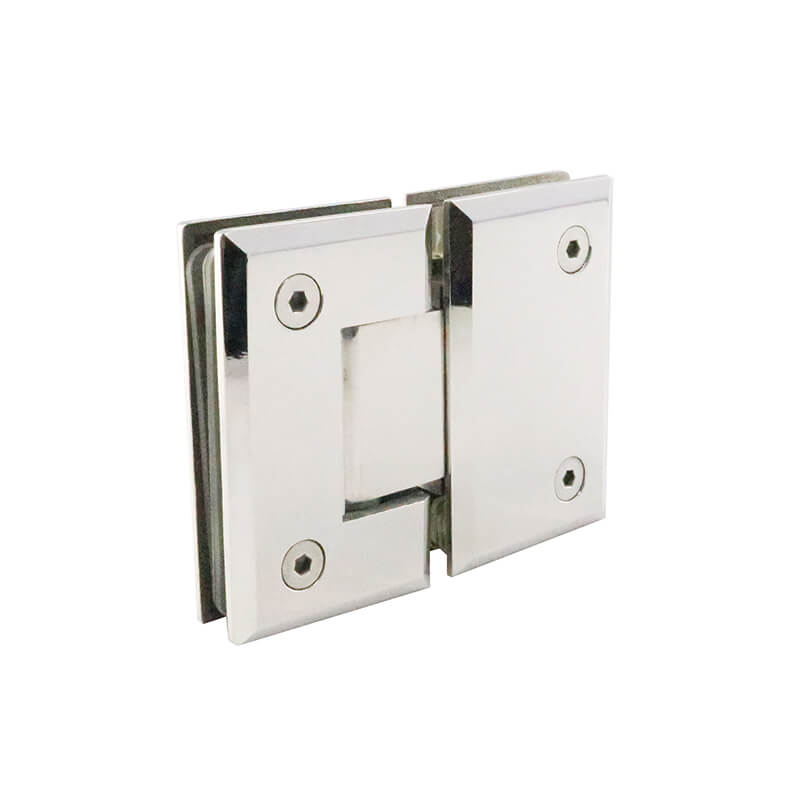
How to Maintain and Care for Your Stainless Steel Glass Door Lock
Maintaining a stainless steel glass door lock is crucial to ensure its longevity and functionality. By following proper care procedures, you can keep your lock in pristine condition and prevent premature wear or damage. This detailed guide will provide you with comprehensive instructions on how to maintain and care for your stainless steel glass door lock, ensuring its optimal performance for years to come.
Cleaning
Regular cleaning is essential to remove dirt, dust, and other contaminants that can accumulate on your stainless steel glass door lock. Use a soft, damp cloth to wipe down the lock to remove any loose debris. For more stubborn stains, apply a mild detergent solution and gently scrub using a soft brush or sponge. Avoid using abrasive materials or harsh chemicals, as they can scratch or damage the finish. Rinse the lock thoroughly with clean water and dry it with a clean cloth to prevent streaks.
Lubrication
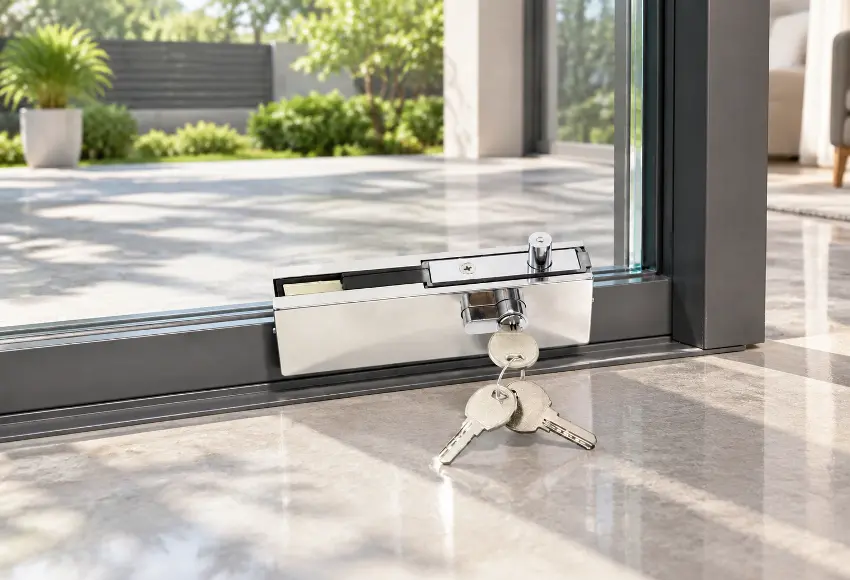
Proper lubrication is vital to ensure the smooth operation of your stainless steel glass door lock. Apply a small amount of high-quality lubricant, such as graphite powder or silicone-based spray, to the lock’s internal components. Avoid using solvents or petroleum-based lubricants, as they can attract dirt and debris. Pay particular attention to the keyhole, bolt, and cylinder to ensure that all moving parts are well-lubricated.
Inspection
Regular inspections can help you identify potential issues with your stainless steel glass door lock early on. Inspect the lock for any signs of wear, corrosion, or damage. Check the keyhole to ensure that it is free of debris and that the key inserts and turns smoothly. Test the lock to make sure it engages and disengages properly and that the door remains securely locked. If you notice any issues, contact a qualified locksmith promptly to prevent further damage.
Environmental Considerations
Extreme weather conditions can affect the performance of your stainless steel glass door lock. Protect the lock from direct sunlight, rain, or other harsh elements by installing a cover or weatherstrip. During extreme cold or heat, lubricate the lock more frequently to prevent it from freezing or seizing up. If the lock is exposed to salt or other corrosive materials, clean it thoroughly to prevent rust and damage.
Additional Tips
For optimal performance and longevity, consider the following additional tips:
Avoid using sharp objects or tools on the lock, as they can scratch or damage the finish.
If you encounter stubborn stains or corrosion, use a specially formulated cleaner designed for stainless steel.
Follow the manufacturer’s instructions carefully for specific care and maintenance guidelines.
Regularly check the screws and bolts to ensure they are tight and secure.
If you have any questions or concerns, consult with a professional locksmith for expert advice and assistance.
By following these instructions, you can effectively maintain and care for your stainless steel glass door lock, ensuring its smooth operation and longevity. Remember to clean, lubricate, inspect, and protect your lock regularly to prevent premature wear or damage.
-

Frameless Glass Door Lock: Engineering Precision for Modern Access Control
11-10-2026 -
Frameless Shower Door Clips: Hardware That Holds the Line Between Function and Failure
10-10-2026 -
Stainless Steel Glass Door Lock: Engineering for Frameless Installations
09-10-2026 -
Glass Door Clips: What Actually Holds a Frameless Shower Together
08-10-2026 -
Sliding Door Rollers: How to Choose the Right Wheel System for Frameless Glass
08-10-2026
-

Why Do Shower Glass Door Hinges Fail and How to Prevent It?
18-03-2026 -

Do Framed Shower Door Hinges Rust Over Time and How Can You Prevent It?
17-03-2026 -
What Are the Best Shower Door Hinges for Glass-to-Glass Installations?
14-03-2026 -
Why Do Some Frameless Glass Shower Door Hinges Fail and How to Prevent It?
13-03-2026 -
How Do Frameless Shower Screen Hinges Affect Durability and Safety?
12-03-2026