Enhancing Accessibility- ADA-Compliant Office Glass Door Handle Options
As businesses strive to create inclusive and accessible workspaces, the importance of ADA-compliant office furniture and fixtures cannot be overstated. Glass door handles, often overlooked, play a crucial role in ensuring accessibility for individuals with disabilities. This guide explores ADA-compliant office glass door handle options, empowering you to make informed decisions that enhance accessibility.
Lever Handles: Ease of Use and Ergonomic Grip
Lever handles are a popular ADA-compliant option for glass doors. They feature a long, horizontal bar that allows for easy gripping and operation. The lever can be easily depressed with minimal force, making it suitable for individuals with limited hand strength or dexterity. Moreover, the ergonomic design of lever handles provides a comfortable grip, reducing strain and fatigue.
Pull Handles: Wider Grasp and ADA Compliance
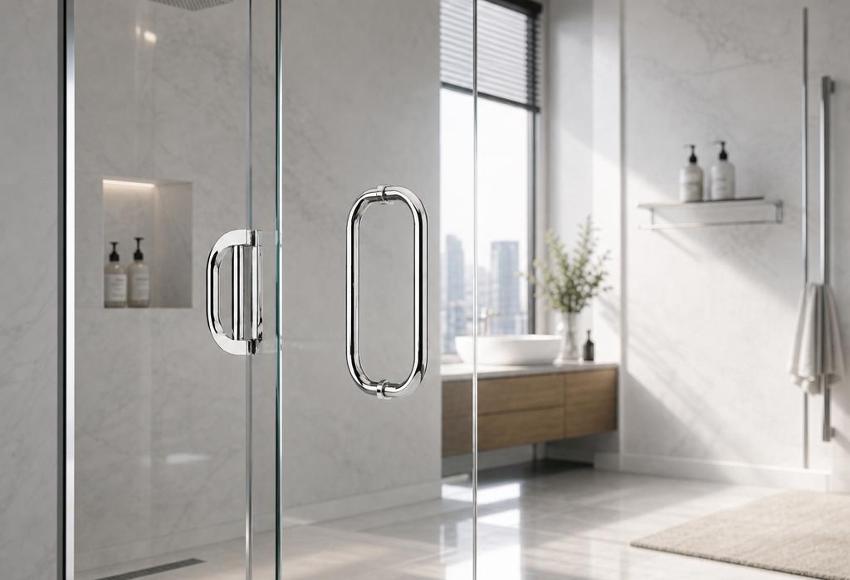
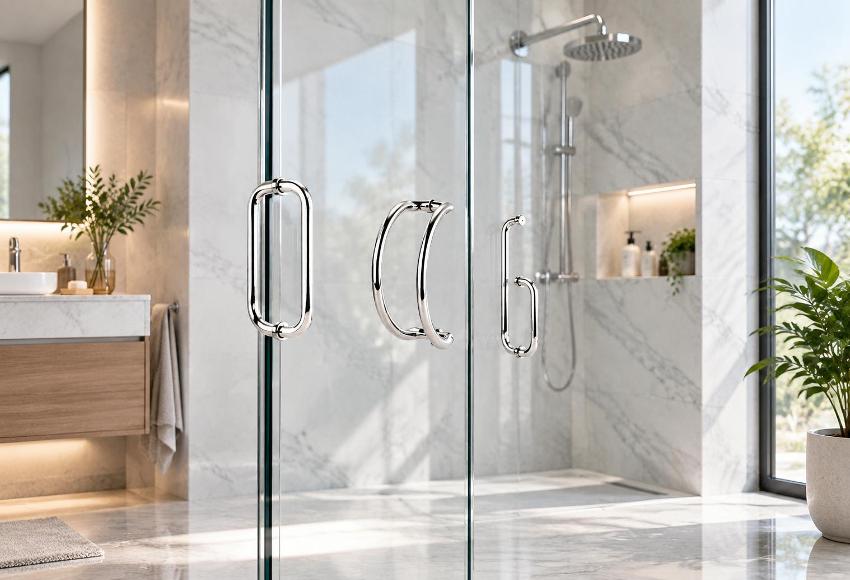
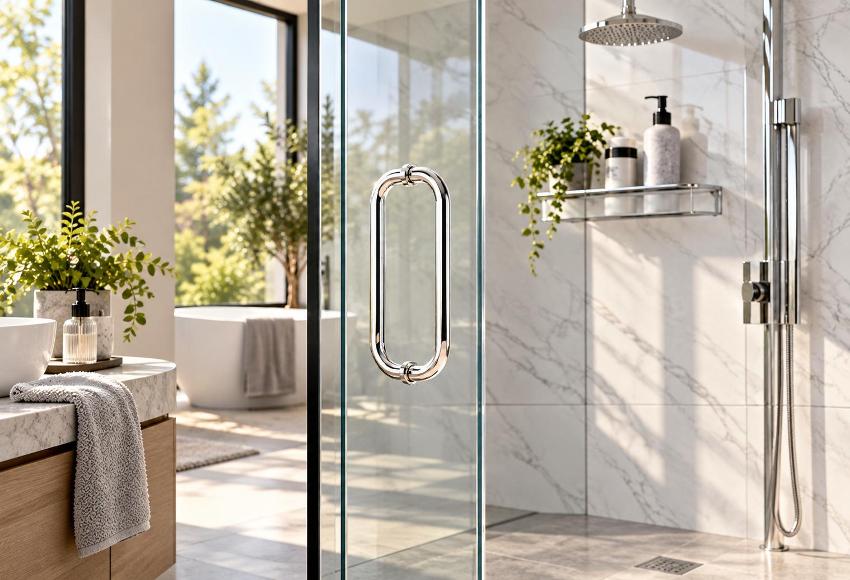
Pull handles, characterized by their U-shaped design, provide a wider grasp area. This design is particularly beneficial for individuals with impaired fine motor skills or limited hand mobility. The smooth, contoured surface of pull handles ensures a secure and comfortable grip, facilitating effortless door opening and closing.
Door Pulls with Push Plates: Enhanced Leverage and Safety
Door pulls with push plates offer a combination of lever and pull mechanisms. The push plate, located at the bottom of the handle, provides an additional leverage point. This feature significantly reduces the force required to open the door, making it accessible for individuals with limited upper body strength. Additionally, the push plate serves as a safety feature, preventing accidental slips or falls.
Ergonomic Door Handles: Comfort and Reduced Strain
Ergonomic door handles are designed to minimize strain and discomfort during operation. They incorporate anti-slip grips and contoured surfaces that provide a secure and comfortable hold. The ergonomic shape of these handles allows for easy gripping and reduces the risk of wrist pain or other injuries associated with repetitive door opening and closing.
Tactile Indicators: Enhancing Accessibility for the Visually Impaired
Tactile indicators, such as raised lines or dots, are an essential accessibility feature for individuals with visual impairments. Incorporating tactile indicators into glass door handles provides a physical cue, enabling users to locate and operate the handle with ease. These indicators can be embossed on the handle or added as separate elements, enhancing the accessibility of the workspace for all.
Conclusion
Enhancing accessibility in office environments is essential for inclusivity and productivity. ADA-compliant office glass door handles play a significant role in creating accessible and user-friendly spaces. By understanding the available options, including lever handles, pull handles, door pulls with push plates, ergonomic door handles, and tactile indicators, businesses can make informed decisions that empower individuals with disabilities to navigate their workspaces with ease.
-

SS Handle for Glass Door: Engineering Precision Behind a Simple Pull
13-10-2026 -
Double Swing Glass Door Lock: Hardware Selection for Commercial and Residential Installations
12-10-2026 -
Frameless Glass Door Lock: Engineering Precision for Modern Access Control
11-10-2026 -
Frameless Shower Door Clips: Hardware That Holds the Line Between Function and Failure
10-10-2026 -
Stainless Steel Glass Door Lock: Engineering for Frameless Installations
09-10-2026
-

Why Do Shower Glass Door Hinges Fail and How to Prevent It?
18-03-2026 -

Do Framed Shower Door Hinges Rust Over Time and How Can You Prevent It?
17-03-2026 -
What Are the Best Shower Door Hinges for Glass-to-Glass Installations?
14-03-2026 -
Why Do Some Frameless Glass Shower Door Hinges Fail and How to Prevent It?
13-03-2026 -
How Do Frameless Shower Screen Hinges Affect Durability and Safety?
12-03-2026