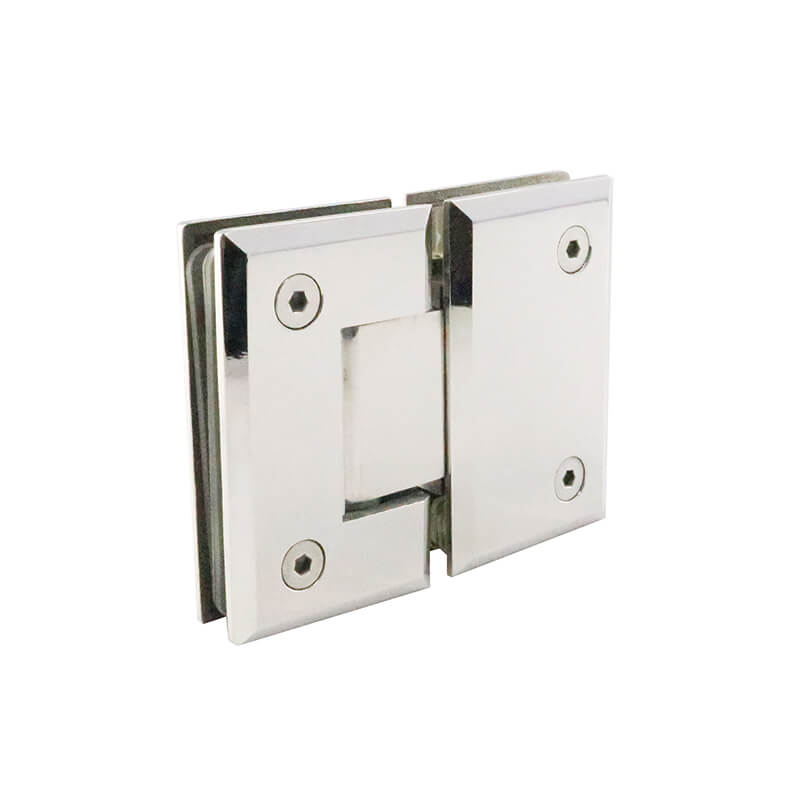
What safety standards should stainless steel glass shower screen wall brackets comply with?
The seamless blend of functionality and modern aesthetics in frameless glass shower enclosures relies on a critical, often overlooked component: the wall brackets. Specifically, stainless steel brackets that support heavy tempered glass panels must adhere to rigorous safety standards. These standards ensure not only immediate structural integrity but also long-term durability and user safety in a demanding bathroom environment. Compliance is a non-negotiable aspect of product design, manufacturing, and installation.

1. Material and Corrosion Resistance Standards
The primary defense against failure is the material itself. High-quality stainless steel, typically Grade 304 (A2/AISI 304) or Grade 316 (Marine Grade/A4), is mandated. These grades comply with international material standards such as:
ASTM A240/A240M: Specifies the chemical composition and mechanical properties for chromium and chromium-nickel stainless steel plate, sheet, and strip.
EN 10088-2: The European standard for technical delivery conditions for sheet/plate and strip of corrosion-resistant steels.
ISO 3506: For mechanical properties of corrosion-resistant stainless steel fasteners.
Grade 316 offers superior resistance to chlorides found in water, shampoos, and cleaning agents, making it the premium choice for coastal areas or aggressive water supplies. The brackets must also undergo and pass salt spray testing (e.g., ASTM B117) to certify their corrosion resistance, ensuring they won’t weaken or develop sharp edges from rust.
2. Structural Load-Bearing and Performance Standards
Brackets are mechanical fixtures subject to constant static load (glass weight) and dynamic forces (door movement, accidental impacts). Key standards include:
Glass Thickness and Weight Support: Brackets must be engineered for the specific thickness and weight of the glass panel (commonly 8mm, 10mm, or 12mm tempered glass). They should be tested to support at least 4-5 times the intended load to provide a significant safety factor.
Static and Dynamic Load Testing: While no single global standard exists for shower brackets specifically, reputable manufacturers test according to principles in ASTM E2353 (Standard Specification for Anchor Bolts) or EN 14428 (for shower enclosures). This involves cyclic load testing (simulating door opening/closing) and ultimate failure load testing.
Glass Retention: The design must securely cradle the glass without creating stress points that could cause spontaneous breakage. Compliant brackets use soft, durable polymer or EPDM gaskets to cushion the glass.
3. Installation and Fixing Integrity Standards
The strongest bracket is only as good as its attachment to the wall. Compliance extends to the fixing method:
Wall Substrate Assessment: Standards require brackets to be fixed into solid structural substrates—concrete, solid block, or properly reinforced timber/metal studs—never into drywall or plaster alone.
Fastener Standards: High-grade corrosion-resistant screws and anchors must be used. For solid walls, mechanical anchors tested to standards like ETAG 001 (European Technical Approval Guideline for Metal Anchors) are essential. For stud walls, specific toggle bolts or structural fixings designed for pull-out and shear resistance are required.
Waterproofing Integration: The bracket design and installation should not compromise the integrity of the wall’s waterproof membrane (tanking). This is a critical aspect of tile-over substrate installations and is covered under broader waterproofing standards like ANSI A118.10 or regional building codes.
4. Compliance Marking and Certification
While not always legally mandatory, proof of compliance is demonstrated through:
Independent Certification: Look for marks from recognized testing laboratories or compliance with ISO 9001 for quality management in manufacturing.
Technical Documentation: Reputable suppliers provide Declarations of Performance (DoP) under the EU Construction Products Regulation (CPR) or detailed test reports verifying load capacity and material specifications.
Clear Labeling: Brackets should be clearly marked with the manufacturer’s name, stainless steel grade, and maximum load capacity.
Conclusion
In summary, safety-compliant stainless steel shower screen brackets are the product of a multi-faceted commitment to standards. This encompasses the material science of corrosion-resistant alloys, the structural engineering of load-bearing components, and the practical science of secure installation. For specifiers, installers, and consumers, insisting on products that meet these benchmarks is the key to ensuring a shower enclosure that is not only beautiful but fundamentally safe and built to last. Always consult the manufacturer’s technical data sheets and ensure installation is performed by qualified professionals in accordance with local building codes.
-

How to Find Reliable Frameless Shower Door Pivot Hinge Suppliers?
16-03-2026 -

Glass Panel Hinge Maintenance: What Should You Do to Make It Last Longer?
06-03-2026 -
What Are the Different Types of Frameless Glass Hinges and Their Uses?
04-03-2026 -
Why Do Bathroom Glass Door Hinges Keep Rusting, and How Can You Prevent It?
28-02-2026 -
What to Look for When Buying Shower Screen Door Pivot Hinges?
27-02-2026


-
Why Do Shower Glass Door Hinges Fail and How to Prevent It?
18-03-2026 -
Do Framed Shower Door Hinges Rust Over Time and How Can You Prevent It?
17-03-2026 -
What Are the Best Shower Door Hinges for Glass-to-Glass Installations?
14-03-2026 -
Why Do Some Frameless Glass Shower Door Hinges Fail and How to Prevent It?
13-03-2026 -
How Do Frameless Shower Screen Hinges Affect Durability and Safety?
12-03-2026