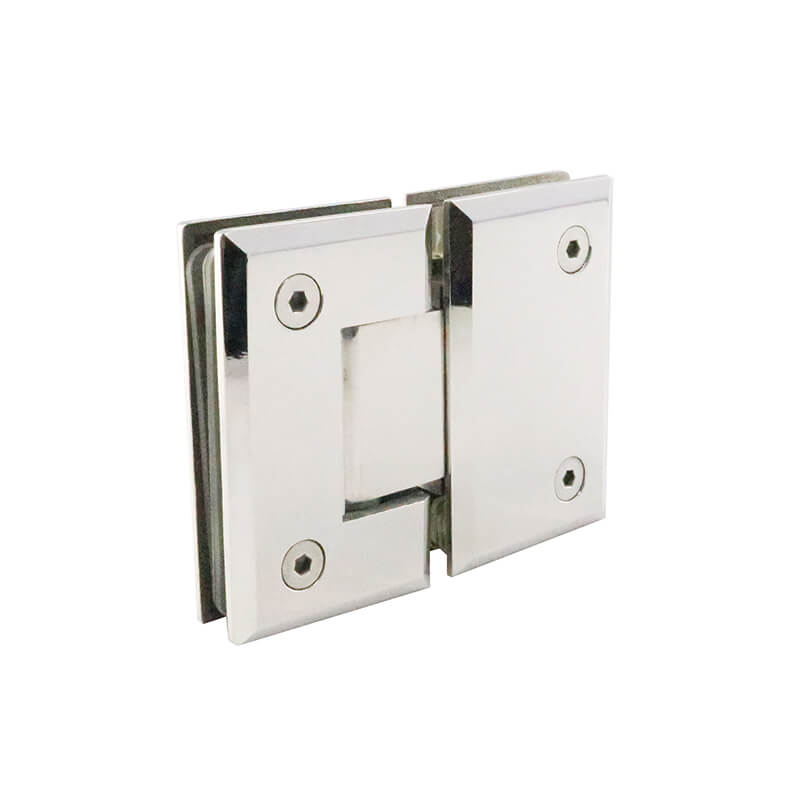
Behind the Scenes- The Mechanics of Shower Screen Clips
Have you ever wondered about the intricate mechanisms that hold your shower screen securely in place? The seemingly ordinary shower screen clips, tucked away behind the gleaming glass, play a vital role in ensuring a seamless shower experience. In this article, we take you behind the scenes to unravel the mechanics of these unassuming devices.
The Anatomy of a Shower Screen Clip
Shower screen clips are typically comprised of two main components: the base and the clip. The base is secured to either the shower wall or the shower screen itself, while the clip engages with the opposite side to hold the screen firmly in place. The materials used in the construction of these clips vary, with high-grade polymers, stainless steel, and aluminum being common choices.
The Function of Shower Screen Clips
Shower screen clips serve two primary functions:
– Secure Hold:
The clips securely grip the shower screen, preventing it from slipping or moving out of position during use. This is crucial for maintaining the integrity of the shower enclosure and ensuring water stays within the designated area.
– Easy Removal:
Despite their firm hold, shower screen clips are designed to be easily removable when necessary. This allows for quick and convenient access for cleaning or maintenance purposes.
Types of Shower Screen Clips
There are various types of shower screen clips available, each designed to accommodate different shower screen designs and materials:
– Spring Clips:
Spring clips use a tensioned spring mechanism to exert pressure on the shower screen, holding it firmly in place.
– Magnetic Clips:
Magnetic clips utilize the attraction between magnets to secure the shower screen. These are particularly suitable for use with framed shower screens.
– Friction Clips:
Friction clips rely on friction to create a tight grip on the shower screen. They are typically used with frameless shower screens.
How to Install Shower Screen Clips
Installing shower screen clips is a relatively straightforward process. Here’s a general guide:
– Determine the Placement:
Mark the locations where the clips will be installed, ensuring even spacing along the length of the shower screen.
– Install the Bases:
Secure the bases to the shower wall or screen using appropriate fixings, such as screws or adhesives.
– Insert the Clips:
Align the clips with the bases and snap them into place. Ensure they are securely engaged to prevent any movement.
Conclusion
Shower screen clips, though often overlooked, play a crucial role in the functionality of any shower enclosure. Understanding their mechanics, types, and installation process can empower homeowners and contractors alike to troubleshoot any issues, ensuring a safe and enjoyable showering experience for years to come.
-

How to Find Reliable Frameless Shower Door Pivot Hinge Suppliers?
16-03-2026 -

Glass Panel Hinge Maintenance: What Should You Do to Make It Last Longer?
06-03-2026 -
What Are the Different Types of Frameless Glass Hinges and Their Uses?
04-03-2026 -
Why Do Bathroom Glass Door Hinges Keep Rusting, and How Can You Prevent It?
28-02-2026 -
What to Look for When Buying Shower Screen Door Pivot Hinges?
27-02-2026


-
Why Do Shower Glass Door Hinges Fail and How to Prevent It?
18-03-2026 -
Do Framed Shower Door Hinges Rust Over Time and How Can You Prevent It?
17-03-2026 -
What Are the Best Shower Door Hinges for Glass-to-Glass Installations?
14-03-2026 -
Why Do Some Frameless Glass Shower Door Hinges Fail and How to Prevent It?
13-03-2026 -
How Do Frameless Shower Screen Hinges Affect Durability and Safety?
12-03-2026