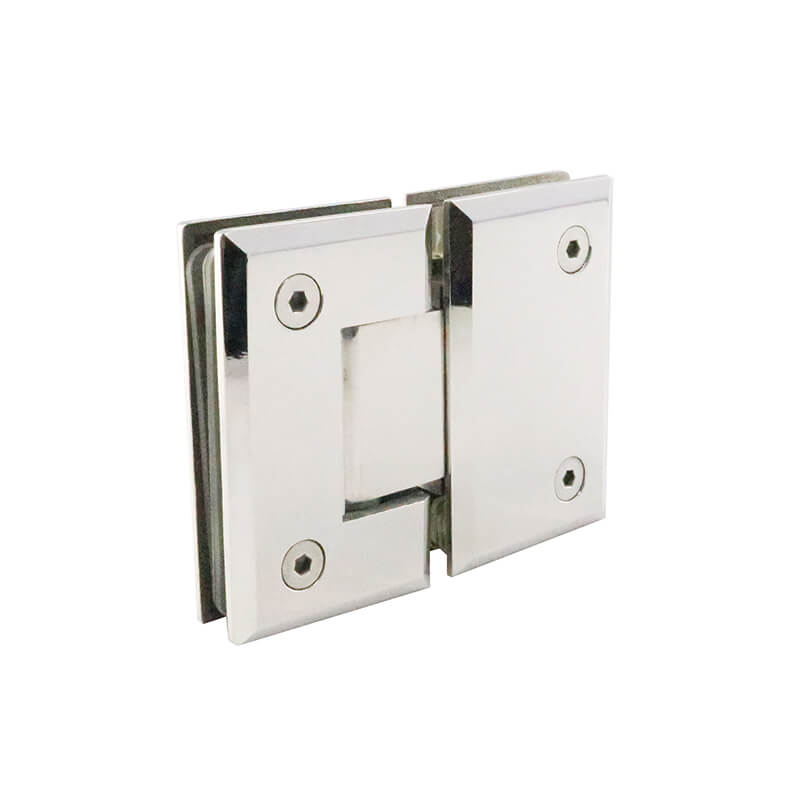
Do Framed Shower Door Hinges Rust Over Time and How Can You Prevent It?
There is something undeniably refreshing about a clean, sleek bathroom. The gleam of a glass shower enclosure, the sparkle of chrome or brushed nickel fixtures—it all contributes to a spa-like atmosphere in your home. However, if you have a framed shower door, there is one enemy that can tarnish this aesthetic quickly: rust.
Rust on shower door hinges is a common but frustrating problem. It not only looks unsightly, but it can also compromise the structural integrity of the hinge over time, leading to squeaking, stiffness, or even a door that sags.

So, do framed shower door hinges rust over time? The short answer is yes, they can. But the “why” and the “how to prevent it” require a deeper dive.
Why Do Shower Hinges Rust?
To understand rust, you have to understand the environment. Your shower is a war zone of moisture, heat, and harsh chemicals. Here are the primary reasons your hinges might be turning orange or brown:
1. The Material Matters
Not all metals are created equal. Hinges are made from various materials, and their susceptibility to rust depends on their composition:
Steel: Standard steel is highly susceptible to rust. If your hinges are made of plain steel with a simple coating, once that coating is scratched, the moisture will attack the metal underneath.
Stainless Steel: This is an alloy that contains chromium, which creates a protective layer against oxidation. However, not all stainless steel is the same. Lower-grade stainless steel (like 200 series) can still rust or corrode, especially in a chlorine-rich environment. Higher grades (like 304) are much more resistant.
Zinc Alloy or Brass: These materials are naturally corrosion-resistant. They are often used as the base for plated fixtures.
2. The Coating is Compromised
Most hinges look beautiful because they have a plated finish (like chrome, brushed nickel, or oil-rubbed bronze). This finish acts as a shield. If that shield gets scratched—perhaps from a harsh scrub brush or a bumped shampoo bottle—water can seep behind the plating and cause the base metal to rust from the inside out.
3. Humidity and Ventilation
Even if you have the best hinges on the market, a poorly ventilated bathroom is a recipe for disaster. Steam and moisture linger in the air, settling on every surface, including your hardware. If the water doesn’t dry quickly, it accelerates the oxidation process.
4. Chemical Reactions
Showers are cleaned with harsh chemicals. Bleach, ammonia, and acidic cleaners can break down the protective coatings on metal. Furthermore, the salts in soaps and shampoos can get trapped in the crevices of hinges, holding moisture against the metal and leading to pitting corrosion.
How to Prevent Rust on Shower Door Hinges
The good news is that rust is largely preventable. With a few proactive steps, you can keep your hinges looking brand new for years.
1. Choose High-Quality Materials from the Start
The best prevention begins at the hardware store. If you are installing a new door or replacing old hinges, invest in a high-quality material. Look specifically for hinges made from Grade 304 Stainless Steel or solid brass. These materials are engineered to withstand moisture.
2. The “Squeegee” Habit
This is the single most effective thing you can do. After every shower, take a dry towel or a squeegee and wipe down the door frame and the hinges. By removing the water droplets, you are removing the oxygen and moisture needed for rust to form. It takes 30 seconds but adds years to your hardware’s life.
3. Ensure Proper Ventilation
Run your bathroom exhaust fan during your shower and for at least 20 minutes afterward. If you don’t have a fan, keep the bathroom door and window open to allow the steam to escape. A dry bathroom is a rust-free bathroom.
4. Regular Cleaning with Gentle Products
Avoid harsh, acidic, or abrasive cleaners. Instead, use a mild dish soap and warm water solution to clean the hinges. For a deeper clean, a mixture of vinegar and water can cut through soap scum without being as aggressive as bleach. Always rinse the hinges thoroughly with clean water and dry them immediately after cleaning.
5. Inspect and Seal
Once a month, inspect your hinges. Look for tiny scratches or chips in the finish. If you find a small scratch, you can sometimes buff it out (depending on the finish) or apply a clear, waterproof nail polish over the scratch to seal the metal and prevent moisture from getting in.
6. Lubricate Moving Parts
If your hinges have moving parts, use a silicone-based lubricant occasionally. This prevents them from sticking and wearing down, which could expose raw metal.
What to Do If Rust Has Already Formed
If you are past the prevention stage and are looking at orange stains right now, don’t panic. Minor rust can often be removed.
For Light Surface Rust: Make a paste of baking soda and water (or lemon juice). Apply it to the rust, let it sit for 15-20 minutes, and then gently scrub with a soft cloth or an old toothbrush. Rinse and dry.
For Tougher Stains: A non-abrasive cleaner like Bar Keepers Friend (which contains oxalic acid) can be effective. Use it sparingly and rinse thoroughly.
The WD-40 Trick: Spray a little WD-40 on the rust, let it penetrate for 10 minutes, and then scrub gently. WD-40 is a water displacer and can help lift the rust. Note: Clean the oil off thoroughly afterward so it doesn’t attract soap scum.
If the rust has caused pitting (tiny holes in the metal) or the hinge is structurally compromised, it is time to replace the hinge.
Investing in Long-Lasting Hardware
Dealing with rust can feel like a losing battle, especially in a busy household. You can do all the wiping and cleaning in the world, but if the base metal of your hinge is low quality, the rust will eventually win. This is why choosing the right brand from the beginning is crucial.
When it’s time to upgrade your bathroom or replace those tired, rusty hinges, you need a solution that combines aesthetic appeal with industrial-grade durability. You need hardware that understands the demands of a modern bathroom.
This is where Sateer comes into focus. At Sateer, we understand that the bathroom is more than just a functional space; it’s a sanctuary. Our range of framed shower door hinges is engineered specifically to combat the issues of moisture and corrosion.
We prioritize materials that stand the test of time. By utilizing high-grade stainless steel and precision manufacturing techniques, Sateer hinges offer a finish that remains brilliant and rust-free, year after year. We believe that you shouldn’t have to choose between beautiful design and practical longevity. Whether you are renovating a master bath or outfitting a guest bathroom, choosing Sateer means investing in peace of mind, ensuring that your shower doors remain a stunning focal point, not a maintenance headache.
-

How to Find Reliable Frameless Shower Door Pivot Hinge Suppliers?
16-03-2026 -

Glass Panel Hinge Maintenance: What Should You Do to Make It Last Longer?
06-03-2026 -
What Are the Different Types of Frameless Glass Hinges and Their Uses?
04-03-2026 -
Why Do Bathroom Glass Door Hinges Keep Rusting, and How Can You Prevent It?
28-02-2026 -
What to Look for When Buying Shower Screen Door Pivot Hinges?
27-02-2026


-
Why Do Shower Glass Door Hinges Fail and How to Prevent It?
18-03-2026 -
Do Framed Shower Door Hinges Rust Over Time and How Can You Prevent It?
17-03-2026 -
What Are the Best Shower Door Hinges for Glass-to-Glass Installations?
14-03-2026 -
Why Do Some Frameless Glass Shower Door Hinges Fail and How to Prevent It?
13-03-2026 -
How Do Frameless Shower Screen Hinges Affect Durability and Safety?
12-03-2026