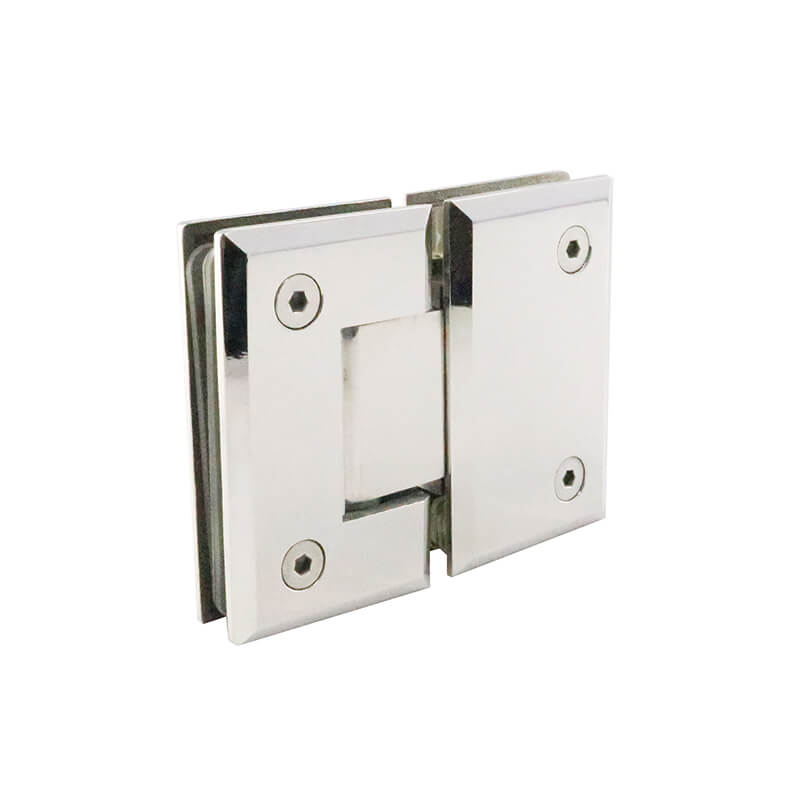
Comparing Different Types of Glass Shower Door Hinges
Glass shower doors are a stylish and functional addition to any bathroom. They offer a number of benefits, including increased light and visibility, improved water containment, and a more spacious feel. However, one of the most important aspects of choosing a glass shower door is the type of hinge you choose. There are a variety of different hinges available, each with its own advantages and disadvantages. In this article, we will compare the three most common types of glass shower door hinges: pivot hinges, butt hinges, and sliding hinges.
Pivot Hinges
Pivot hinges are the most common type of hinge used for glass shower doors. They are mounted on the top and bottom of the door, and they allow the door to swing open and closed. Pivot hinges are typically made of stainless steel or brass, and they are available in a variety of finishes. They are relatively easy to install, and they can be adjusted to accommodate different door thicknesses.
Advantages of Pivot Hinges:
Easy to install
Adjustable to accommodate different door thicknesses
Durable and long-lasting
Can be used with a variety of different door styles
Disadvantages of Pivot Hinges:
Can be noisy if not properly lubricated
Can rust if not made of stainless steel
May not be suitable for very heavy doors
Butt Hinges
Butt hinges are another common type of hinge used for glass shower doors. They are mounted on the sides of the door, and they allow the door to swing open and closed. Butt hinges are typically made of stainless steel or brass, and they are available in a variety of finishes. They are relatively easy to install, but they require more precision than pivot hinges.
Advantages of Butt Hinges:
More stable than pivot hinges
Can be used with heavier doors
Less likely to rust
Can be hidden from view
Disadvantages of Butt Hinges:
More difficult to install than pivot hinges
Require more precision
May not be suitable for all door styles
Sliding Hinges
Sliding hinges are the least common type of hinge used for glass shower doors. They are mounted on the top and bottom of the door, and they allow the door to slide open and closed. Sliding hinges are typically made of stainless steel or aluminum, and they are available in a variety of finishes. They are relatively easy to install, but they require a special track to be installed on the wall.
Advantages of Sliding Hinges:
Easy to open and close
Can be used with very heavy doors
Rust-resistant
Can be hidden from view
Disadvantages of Sliding Hinges:
More difficult to install than pivot hinges or butt hinges
Require a special track to be installed on the wall
May not be suitable for all door styles
-

How to Find Reliable Frameless Shower Door Pivot Hinge Suppliers?
16-03-2026 -

Glass Panel Hinge Maintenance: What Should You Do to Make It Last Longer?
06-03-2026 -
What Are the Different Types of Frameless Glass Hinges and Their Uses?
04-03-2026 -
Why Do Bathroom Glass Door Hinges Keep Rusting, and How Can You Prevent It?
28-02-2026 -
What to Look for When Buying Shower Screen Door Pivot Hinges?
27-02-2026


-
Why Do Shower Glass Door Hinges Fail and How to Prevent It?
18-03-2026 -
Do Framed Shower Door Hinges Rust Over Time and How Can You Prevent It?
17-03-2026 -
What Are the Best Shower Door Hinges for Glass-to-Glass Installations?
14-03-2026 -
Why Do Some Frameless Glass Shower Door Hinges Fail and How to Prevent It?
13-03-2026 -
How Do Frameless Shower Screen Hinges Affect Durability and Safety?
12-03-2026